| Radiator heat output | EN 442 | Confirm that declared heat output is tested using an identifiable method and temperature difference. | Request output data at the project design condition, such as ΔT50, rather than relying only on nominal size. | A radiator with a larger physical size is not automatically the most efficient option for the required room load. |
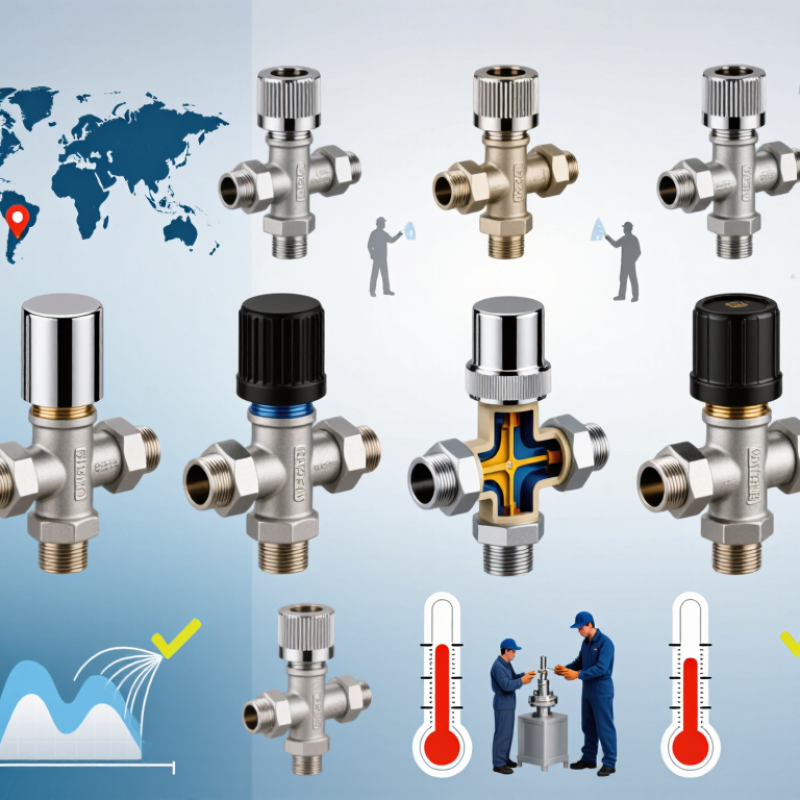
| Thermostatic radiator valve performance | EN 215 | Check valve test data, temperature-control range, hysteresis, flow resistance and connection compatibility. | Look for a complete valve datasheet and clearly stated nominal connection size, commonly DN15 for residential systems. | Correct valve sizing helps maintain room comfort and prevents excessive flow noise or poor balancing. |
| Operating pressure and temperature | Product technical documentation; EN 442 test framework where applicable | Compare maximum working pressure, test pressure and maximum operating temperature with the building system design. | Require values in bar and °C on the technical sheet; do not assume that all panel radiators have the same limits. | The correct rating is essential for district heating, high-rise buildings and closed-loop hydronic systems. |
| Material and construction | Manufacturer material declaration and product specification | Compare steel panel, tubular steel, aluminium or cast-iron construction, including thickness and joining method. | Ask for material grade, corrosion-protection process, product weight and dimensional drawings. | Material selection affects warm-up speed, weight, durability, transport cost and installation requirements. |
| Corrosion resistance | Coating process documentation; ISO 9227 may be used for salt-spray testing | Verify pretreatment, electrophoretic coating or primer process, powder-coat system and test conditions. | Request coating thickness, test reports and application limitations for bathrooms or humid environments. | A decorative finish alone does not prove long-term corrosion protection. |
| Surface finish and colour consistency | RAL colour reference or project-specific colour specification | Check standard white colour reference, gloss level, finish uniformity and sample approval procedure. | Obtain a physical sample or approved colour reference before placing a large order. | Colour variation between production batches can affect residential and commercial interior quality. |
| Connection configuration | Project plumbing specification and applicable national installation rules | Compare side connections, bottom connections, centre connections, thread type and valve orientation. | Require a dimensional drawing showing connection centres, thread size, air vent and drain positions. | Connection errors can create installation delays, leakage risk and additional adapter costs. |
| Hydraulic balancing capability | Valve flow coefficient data, typically expressed as Kv or related manufacturer data | Check presetting positions, flow-rate tables and compatibility with lockshield or balancing valves. | Prefer products with published flow curves or presetting data at defined pressure differences. | Reliable balancing improves comfort, reduces pump energy and limits unwanted system noise. |
| Quality-management system | ISO 9001 | Check whether the manufacturing site is covered by a current certificate and whether the scope includes the relevant products. | Request certificate number, issuing body, validity period and certified site address. | Certification supports documented production controls but does not replace product-performance verification. |
| Environmental management | ISO 14001 | Compare environmental-management certification, steel or aluminium content, packaging and waste controls. | Request a valid certificate and, where relevant, environmental product or lifecycle information. | Environmental documentation helps buyers meet procurement and project sustainability requirements. |
| Market-access compliance | CE marking where applicable; UKCA requirements where applicable | Confirm the destination-market rules for the radiator, valve, packaging and any electronic control components. | Request the declaration of conformity and supporting technical file information when legally applicable. | Compliance obligations depend on product configuration and destination country; a marking should not be accepted without documentation. |
| Packaging and logistics | Buyer packaging specification and destination-country import requirements | Compare corner protection, moisture protection, pallet configuration, carton markings and spare-part packaging. | Request packaging photos, pallet dimensions, gross weight and loading quantity before shipment. | Radiators are vulnerable to denting and coating damage during handling, especially on long-distance shipments. |
| Warranty and after-sales support | Written commercial warranty and local consumer or construction law | Check warranty duration, exclusions, installation conditions, claim procedure and replacement-part availability. | Require the warranty document, spare-parts list, response time and technical-support contact before purchase. | A clearly defined support process reduces lifecycle risk for distributors and project contractors. |