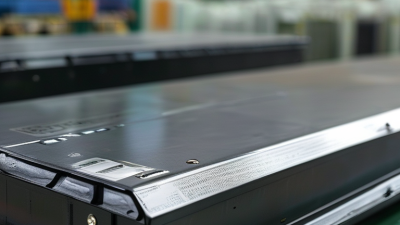
Choosing the best solar battery backup in China depends on more than brand reputation. It must match your home’s solar system, essential loads, and local installation conditions. A refrigerator, router, and several lights need different capacity from an entire home with electric heating. During an outage, usable capacity and inverter output matter more than a headline figure on a product label.
The International Energy Agency reported that global battery storage additions reached about 42 gigawatts in 2023, more than twice the previous year. That growth reflects rising demand for flexible electricity storage, though it does not mean every household needs a large battery. IEA Executive Director Dr. Fatih Birol described the wider shift this way: “The world is entering a new age of electricity.” For buyers in China, that shift brings more product choices—and more specifications to check carefully.
Look beyond capacity. Compare continuous and surge power, battery chemistry, warranty terms, usable energy, and compatibility with your inverter. Ask how the system behaves when the grid fails; some setups need a separate backup circuit to keep selected appliances running. A shaded roof or winter sunlight can also change how quickly the battery recharges. Small details matter. No single model is best for every home, and published performance figures may not reflect real installation conditions. This guide compares practical options and explains which questions to ask before choosing a solar battery backup.
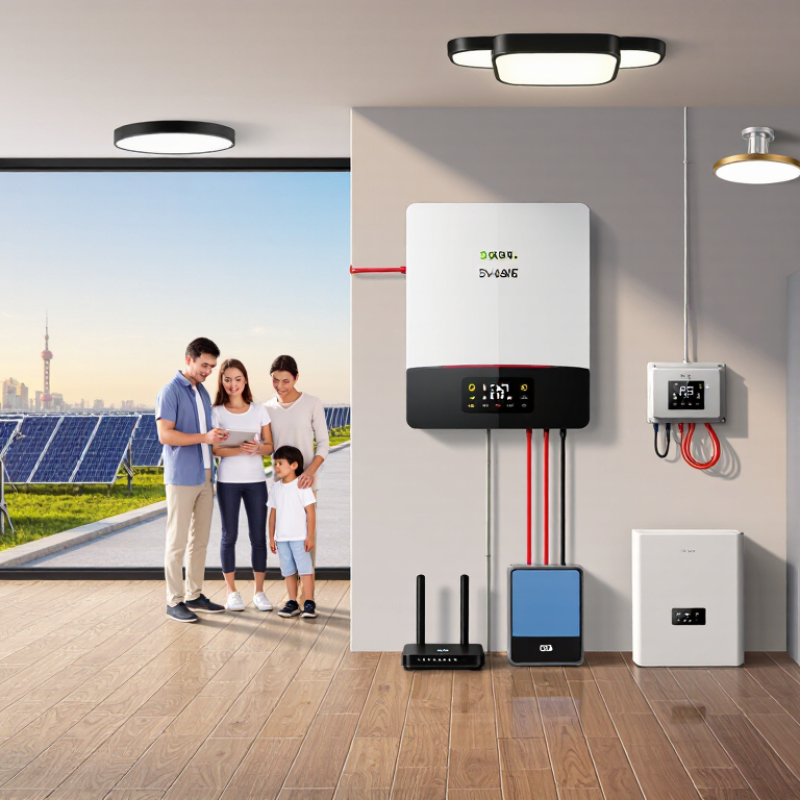
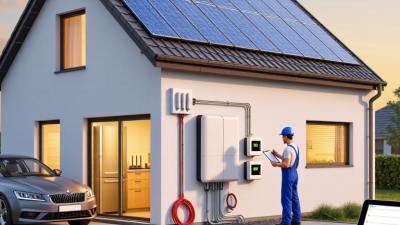
In China, a solar battery backup system links rooftop panels, an inverter, a battery, and selected household circuits. Panels produce direct-current electricity when sunlight reaches their surface. The inverter converts it into the alternating current used by appliances such as refrigerators and water pumps. Some systems store extra solar power instead of sending it to the grid. At night or during an outage, the inverter can draw energy from the battery. The changeover may be automatic, but backup coverage depends on system design. Not every circuit stays powered.
Battery capacity should match actual use, not just the home’s roof area. A family running a refrigerator, lights, and a router needs less backup than one using electric heating. Lithium iron phosphate batteries are often chosen for their cycle life and thermal stability, though they still need suitable installation and monitoring. In China, sunlight, seasonal weather, local grid conditions, and household tariffs vary by region. Humid coastal air or winter cloud can reduce solar production. A neat diagram rarely shows these trade-offs. Installers should check the inverter’s backup output and which circuits it can support. Owners should also consider how long essential devices must run, and whether the battery can recharge during the day. Small details matter. A system can look adequate on paper, yet feel limited during a long outage.
A suitable solar battery backup should match your household’s actual loads, not just its advertised capacity. List essential devices, such as a refrigerator, router, and a few lights, then estimate their daily energy use. Check usable capacity and continuous output: a battery may store enough energy but still struggle with several appliances running together. Numbers can mislead. Ask how the system performs during cloudy days and power cuts, not only under ideal test conditions.
Battery chemistry, inverter compatibility, safety protections, and warranty terms also matter. Confirm that the battery works with your solar panels and inverter, and ask what happens if one component needs replacement. In China, climate varies widely; heat, humidity, and cold can affect installation needs and operating performance. Request temperature limits and clear guidance on ventilation and placement. A qualified local installer should assess wiring, household demand, and applicable technical requirements. I would not choose on price alone; service access can be inconvenient, and warranty wording deserves a slow read.
Tips: Ask for a written estimate of backup hours for your essential loads. Compare usable capacity, output, warranty coverage, and nearby service support. Think beyond price. If the installer cannot explain the system’s limits in plain language, pause and get another assessment. One small uncertainty can change the whole decision.
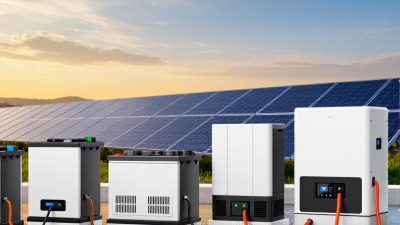
Choosing a solar battery backup in China starts with two decisions: battery chemistry and system layout. Lithium iron phosphate (LFP) suits many homes because it offers long cycle life and stable thermal performance. Lead-acid batteries can cost less upfront, but their usable capacity and cycle life are usually lower. Flow batteries may fit larger, long-duration installations, though their size and cost can be harder to justify at home. No chemistry is perfect.
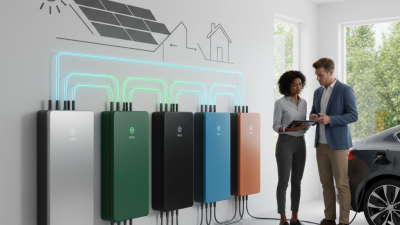
Configuration matters just as much. A hybrid inverter connects solar panels, batteries, and household circuits through one system, often simplifying backup operation. An AC-coupled battery can be added to an existing solar installation, but may involve extra conversion losses. For a small home, backing up a refrigerator, lights, router, and a few outlets can keep costs and battery size manageable. Whole-home backup needs more capacity and a system able to handle brief surges from pumps or air conditioners.
CNESA reported that China’s cumulative installed new energy storage capacity reached about 73.76 GW and 168 GWh by the end of 2024, implying roughly 2.3 hours of average storage duration. That figure describes a broad industry, not a household sizing rule. Measure actual evening use and outage needs before choosing capacity.
One detail is easy to overlook: backup circuits need safe isolation from the grid during an outage. A neat equipment diagram does not guarantee every appliance will run as expected.
When comparing solar battery backup options in China, start with the loads you need to keep running. A refrigerator, router, and a few lights require less power than an air conditioner or water pump. Check both usable capacity, measured in kilowatt-hours, and continuous output, measured in kilowatts. Capacity tells you how long the battery may last; output determines which appliances can run together. They are not interchangeable.
Then consider where the system will operate. A home in a humid coastal city faces different conditions from one in a cold northern region. Ask about the battery’s operating temperature range, ventilation needs, and installation requirements. Review the warranty’s actual coverage, including capacity retention and service response, rather than relying on a headline number. Local support matters. A distant service team can turn a small fault into a long interruption.
Compare the complete system, not only the battery price. Inverter compatibility, expansion options, monitoring tools, and backup switching time can affect daily use. Ask for a clear estimate based on your household’s typical evening consumption. A spreadsheet helps, but it cannot predict every outage or change in routine. I would treat promised backup hours cautiously unless the assumptions are stated plainly.
What Is the Best Solar Battery Backup in China?
The right system depends on what it must keep running. For a home, list essential loads such as the refrigerator, lights, router, and water pump. Estimate their daily energy use, then check the battery’s usable capacity and the inverter’s continuous output. A battery may store enough energy but still struggle with several appliances starting together. Not quite a simple choice.
A business may need steadier backup for servers, refrigeration, or production equipment. Review peak demand, outage duration, and whether the system can expand later. For off-grid use, allow for cloudy days and seasonal changes in solar production; a sunny-week estimate can be misleading. Compare operating temperature limits, safety certifications, warranty terms, and local service availability. A qualified installer can assess the site, but ask to see the load assumptions. Small details matter. Even a careful estimate can miss real-world habits.
Tips: Record appliance power and hours of use for a typical week. Separate essential circuits from optional ones, and check battery capacity in usable kilowatt-hours. Leave room for future loads, but avoid buying far more capacity than your needs justify.
How to read this: Estimated nominal battery capacity for 12 hours of backup, calculated from an assumed average load of 0.5 kW for home essential circuits, 2 kW for a small business, and 1 kW for an off-grid cabin. The calculation allows for 90% battery-to-load delivery efficiency: capacity = average load × backup hours ÷ 0.9. These are planning examples, not measured market averages; actual needs depend on your loads and backup duration.