How to Choose the Best Veneer Dryer Line for Your Business?
Choosing the right Veneer Dryer Line is crucial for any business in the woodworking industry. The right system can enhance efficiency and quality, directly impacting production and profitability. With various options available, selecting the most suitable line can be daunting. Factors such as capacity, energy efficiency, and technology should be considered carefully.
Understanding your operation's specific needs is essential. Not all Veneer Dryer Lines are created equal. Some may offer advanced features, while others may fall short in performance. You might initially prioritize cost. However, cheaper options may lead to higher operational costs over time. Reflecting on your long-term goals can help clarify your choice.
Investing in a reliable Veneer Dryer Line can significantly influence your output quality. This decision is not solely about immediate needs. It’s about ensuring sustainable growth and efficiency in the long run. Conducting thorough research and seeking expert opinions can lead to better outcomes. Aim for a balance between cost and quality for optimal results.
Understanding the Basics of Veneer Drying Technology
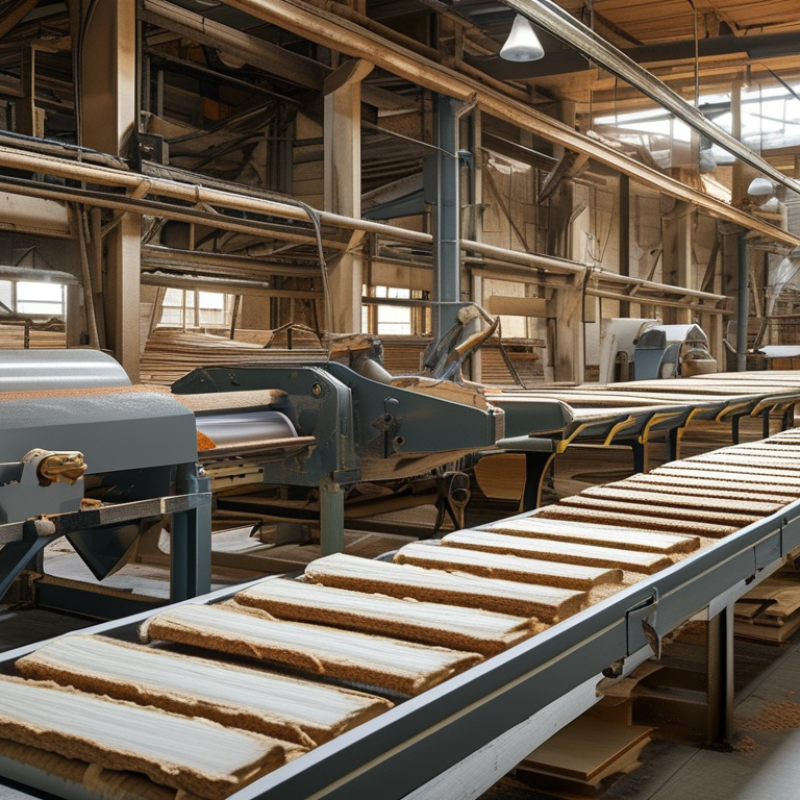
Veneer drying technology plays a crucial role in the production of high-quality wood products. Understanding how veneer dryers work helps businesses optimize their operations. The core principle involves removing excess moisture from the wood. This ensures that the veneer maintains its structural integrity and durability.
There are various types of veneer dryers, each with unique mechanisms and efficiencies. Some rely on hot air, while others use conduction or radiation. Choosing the right method can significantly affect both the drying time and energy consumption. A poorly chosen dryer might lead to defects like warping or cracking. It's important to grasp these aspects before making a purchase.
Maintenance of drying equipment is often overlooked. Regular checks ensure optimal performance and longevity. Companies must also consider the specific needs of their production scale. A mismatch can lead to inefficiencies and increased costs. Reflecting on these factors can lead to better choices in the long run.
Veneer Drying Efficiency Comparison
Key Factors to Consider When Selecting a Veneer Dryer Line
Selecting the right veneer dryer line is crucial for your business. There are several key factors to consider in this decision-making process. First, assess the capacity of the dryer. It should match your production needs and the materials you use. A line that's too small can lead to bottlenecks, while an oversized one may waste resources.
Energy efficiency also plays a significant role. A dryer line that consumes less energy can reduce costs over time. Look for features like adjustable settings to optimize fuel consumption. Additionally, consider the technology used in the dryer. Advanced systems often provide better control over temperature and humidity, ensuring a consistent product.
Don’t overlook the importance of reliability. Frequent breakdowns can disrupt operations and lead to financial losses. Research manufacturers and read reviews from other users. It’s valuable to learn from their experiences. Reflecting on their challenges can guide you in avoiding similar pitfalls. Investing time in this process can yield a dryer line that enhances productivity and quality for years to come.
How to Choose the Best Veneer Dryer Line for Your Business?
| Factor | Description | Importance Level | Estimated Cost |
| Drying Capacity | The amount of veneer the dryer can handle per hour. | High | $50,000 - $200,000 |
| Energy Efficiency | How much energy the dryer consumes in relation to its output. | Very High | $5,000 - $15,000 |
| Technology | Type of technology used (e.g., convection, microwave). | High | $20,000 - $100,000 |
| Space Requirements | The amount of floor space needed for installation. | Medium | N/A |
| Maintenance | How easy it is to maintain and repair the dryer. | High | $1,000 - $5,000 annually |
| Output Quality | The final quality of the dried veneer. | Very High | N/A |
Comparing Different Types of Veneer Dryers and Their Features
Choosing the right veneer dryer for your business can be challenging. There are different types of veneer dryers, each with unique features. Understanding these variations is key to making an informed decision.
Traditional direct-fired veneer dryers are common but have limitations. They use direct heat, which can lead to uneven drying. This can affect veneer quality. It’s essential to monitor the temperature precisely. A slightly too high or too low temperature can ruin the product.
Continuous veneer dryers offer a different approach. They use heated air for more even moisture removal. This can improve efficiency and reduce waste. However, these dryers often require a larger upfront investment and more space. It's vital to consider operational costs versus initial expenses when evaluating these options.
When evaluating veneer dryer options, assess your business needs. Capacity, drying speed, and energy efficiency are critical factors. Consider how much space you have. You want a dryer that fits your workflow seamlessly. Don't forget to think about maintenance needs. Over time, some dryers can be more costly to maintain than others.
Assessing Production Capacity and Efficiency for Your Business Needs
When assessing production capacity for a veneer dryer line, businesses must consider their specific needs. Efficient drying is crucial for maintaining wood quality and optimizing output. Data from the Woodworking Industry Association indicates that high-quality veneer can increase sales by up to 30%. Therefore, having the right drying equipment is essential for growth.
To effectively evaluate efficiency, businesses should look into drying times and energy consumption. Advanced systems today can reduce drying times by 20-40% compared to older models. This reduction translates to significant cost savings over time. However, operating costs should not be overlooked. Inappropriate dryer sizing can lead to wasted energy and underperformance, affecting overall profitability.
Industry reports suggest that many companies underestimate their production needs. They often purchase equipment that lacks the capacity for future growth. Assessing current and projected demand is vital. A well-calibrated veneer dryer line aligns with production goals, enhances product quality, and supports sustainable practices. Ensuring the right fit is crucial for long-term success.
Maintenance and Support: Ensuring Longevity of Your Veneer Dryer Line
Veneer dryers are crucial for optimizing production efficiency in wood processing. Regular maintenance is key to their longevity. According to industry reports, over 30% of dryer failures stem from inadequate maintenance practices. This statistic emphasizes the need for rigorous upkeep protocols. Failing to adjust temperatures or monitor moisture levels can lead to uneven drying and increased energy consumption.
A strong support system also plays a critical role. Proper training for operators helps in identifying potential issues early. Research highlights that companies with comprehensive training programs reduce downtime by 25%. Routine inspections can spot wear and tear on components before they become critical issues. This proactive approach prevents costly repairs and minimizes disruptions.
Furthermore, documentation is essential for maintaining veneer dryers. Keeping track of maintenance schedules and repairs informs future best practices. Data from industry surveys shows that businesses that leverage systematic record-keeping experience 20% less equipment failure. A culture of accountability in maintenance can foster continuous improvement, even in evolving manufacturing environments.