Why Choose Lifepo4 Lithium Battery for Your Energy Needs?
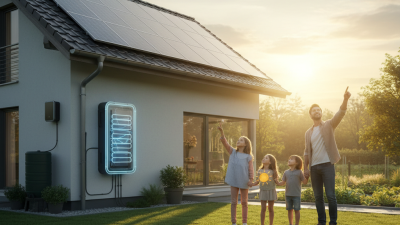
As energy demands continue to rise, the choice of battery technology becomes crucial. Dr. Emily Carter, a leading expert in energy storage solutions, emphasizes, "The lifepo4 lithium battery represents a generational leap in battery technology." This assertion reflects the growing recognition of lifepo4 lithium batteries in various applications.
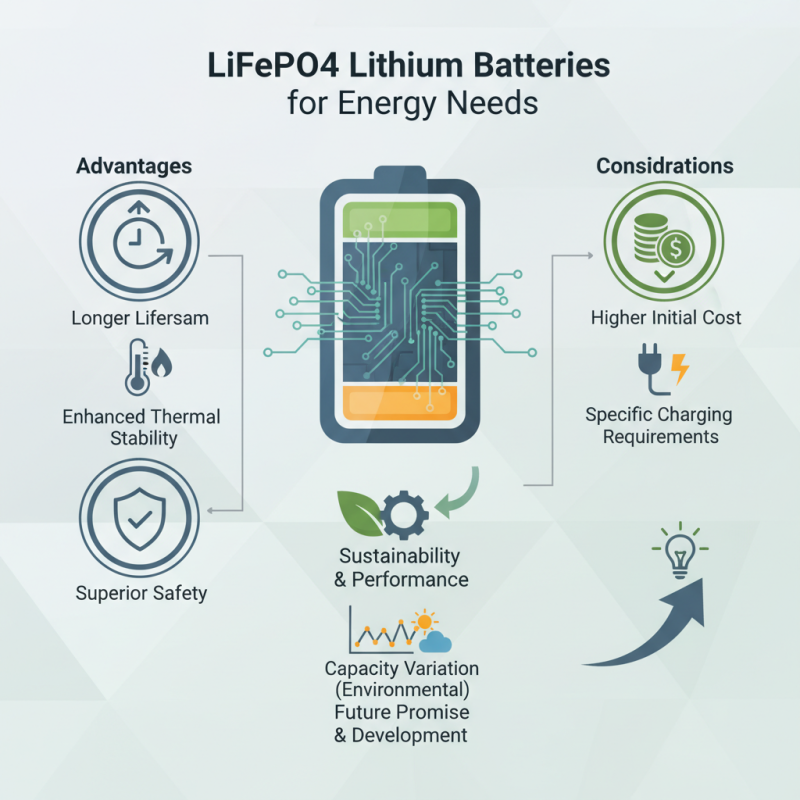
These batteries offer significant advantages. They boast a longer lifespan and enhanced thermal stability compared to traditional lithium-ion batteries. Lifepo4 lithium batteries excel in safety, reducing risks of overheating. Despite these benefits, it is essential to consider their higher initial costs and charging requirements. Every technology has its strengths and weaknesses, and lifepo4 is no exception.
Choosing the right battery is not just about energy needs. It’s about sustainability and performance. Lifepo4 lithium batteries are not perfect, and their capacity may vary based on environmental conditions. However, their continuous development shows promise for more efficient energy solutions. The lifepo4 lithium battery could be the answer to more sustainable energy management in the future.
Benefits of Lifepo4 Lithium Batteries for Energy Storage
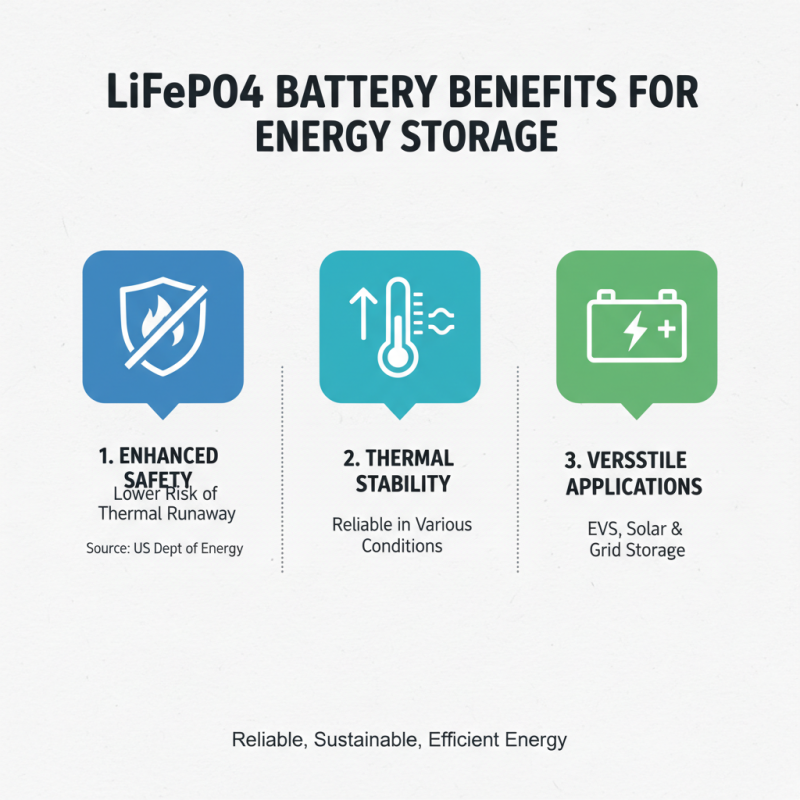
Lithium Iron Phosphate (LiFePO4) batteries have gained traction as a reliable energy storage solution. Their chemistry offers enhanced safety and thermal stability compared to other lithium-ion technologies. According to a report by the Department of Energy, LiFePO4 batteries exhibit a lower risk of thermal runaway, making them suitable for various applications, including electric vehicles and renewable energy systems.
One notable benefit is their longevity. LiFePO4 batteries can endure more than 4,000 charge cycles before significant capacity loss. This longevity translates to reduced replacement costs over time. Industry data suggests that their lifespan is at least three times longer than traditional lead-acid batteries. Additionally, with a lower cost-per-cycle, LiFePO4 batteries provide a better return on investment for users focusing on energy efficiency and sustainability.
While they excel in many areas, LiFePO4 batteries are not without their drawbacks. Their energy density tends to be lower than other lithium batteries, limiting their compactness for specific applications. This factor requires careful consideration of space and weight in design. Additionally, the initial purchase cost can be higher than standard options, potentially deterring some consumers. Balancing these pros and cons is essential for anyone considering an upgrade to energy storage systems.
Comparison of Lifepo4 with Other Battery Technologies
Lithium Iron Phosphate (LiFePO4) batteries stand out in the energy landscape due to their unique advantages over conventional battery technologies. For instance, compared to traditional lead-acid batteries, LiFePO4 offers a longer lifespan and higher depth of discharge. Studies indicate that LiFePO4 batteries can last over 2000 charge cycles, while lead-acid batteries typically last only 300-500 cycles. This remarkable endurance leads to reduced costs in battery replacements.
Moreover, when contrasted with standard lithium-ion batteries, LiFePO4 batteries exhibit enhanced thermal stability. According to a report from the Journal of Power Sources, LiFePO4 has a lower risk of overheating and thermal runaway. This safety aspect makes them ideal for applications like electric vehicles and home energy storage systems. Their capacity to maintain performance at high temperatures is crucial in avoiding catastrophic failures.
Despite these benefits, there are challenges with LiFePO4 technology. The energy density of LiFePO4 is lower than that of other lithium-ion variants, such as lithium nickel manganese cobalt oxide (NMC). This means LiFePO4 batteries can be bulkier for the same energy output. Users need to carefully evaluate their energy requirements and space limitations. Choosing the right battery technology hinges on a balance between energy density, lifespan, and safety features.
Why Choose Lifepo4 Lithium Battery for Your Energy Needs? - Comparison of Lifepo4 with Other Battery Technologies
| Battery Type |
Energy Density (Wh/kg) |
Cycle Life |
Charging Time (hours) |
Cost per kWh |
Safety Rating |
| LiFePO4 |
90-120 |
2000-5000 |
2-5 |
$200-$400 |
High |
| Lithium-ion |
150-200 |
500-2000 |
1-3 |
$300-$700 |
Moderate |
| Lead Acid |
30-50 |
200-300 |
8-12 |
$150-$250 |
Low |
| Nickel-Metal Hydride (NiMH) |
60-120 |
500-1000 |
2-4 |
$200-$600 |
Moderate |
Key Applications of Lifepo4 Lithium Batteries
Lifepo4 lithium batteries have gained popularity for various applications, largely due to their safety and reliability. In renewable energy systems, these batteries serve as effective storage solutions. They efficiently store energy from solar panels, providing power even during cloudy days or at night.
In electric vehicles, Lifepo4 batteries play a crucial role. They offer a longer lifespan compared to traditional batteries. This means fewer replacements, which is economically beneficial. However, not all electric vehicles utilize this technology. Some manufacturers still prefer other types.
In residential settings, Lifepo4 batteries are also prominent. They can power home devices during outages, ensuring uninterrupted service. Still, their initial cost can be high. Homeowners must weigh the benefits against the investment. Lifepo4 batteries represent a significant advancement in energy storage, but important considerations remain.
Energy Needs: Lifepo4 Lithium Battery Applications
Performance and Safety Features of Lifepo4 Batteries
LiFePO4 batteries stand out for their performance and safety features, making them a popular choice. These batteries deliver consistent power output. Their stable chemistry contributes to a long cycle life. In practical terms, this means fewer replacements and less waste over time.
Safety is a significant concern in battery technology. LiFePO4 batteries are known for their thermal stability. They are less prone to overheating compared to other lithium variants. This characteristic reduces the risk of fire or explosion, which is essential for home and industrial applications. Even in cases of physical damage, these batteries tend to remain safe, often without catastrophic failures.
Despite these advantages, some drawbacks exist. LiFePO4 batteries can be bulkier than other lithium types. Their energy density is lower, resulting in heavier units for the same capacity. Users might face challenges regarding space and weight. Reflecting on these factors is crucial when considering energy storage solutions. Balancing performance, safety, and practicality ultimately leads to better decisions.
Environmental Impact and Sustainability of Lifepo4 Batteries
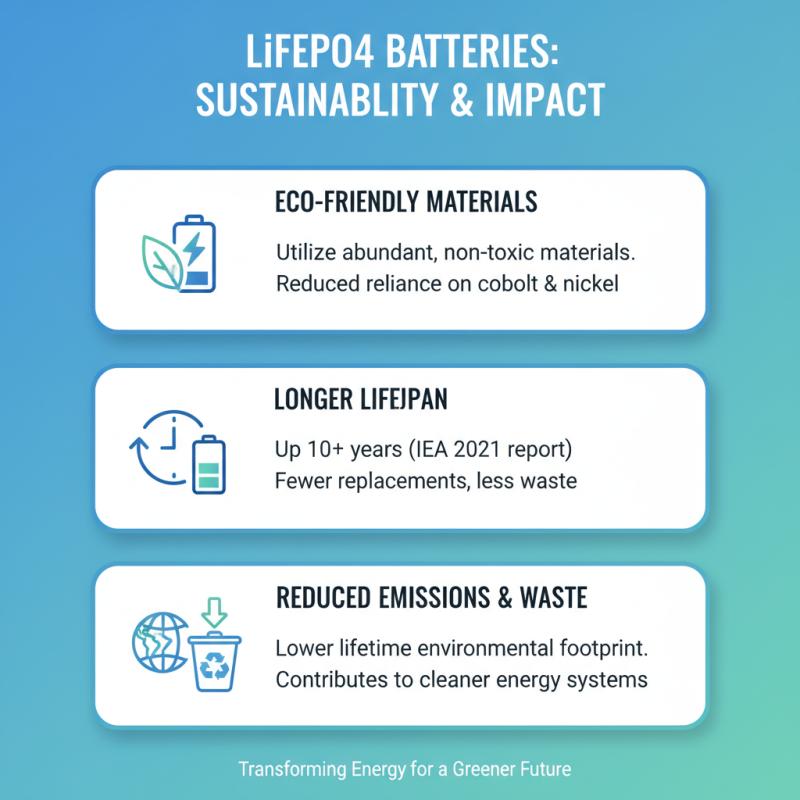
Lifepo4 lithium batteries are transforming energy solutions due to their environmental benefits. These batteries use sustainable materials, which significantly reduce harmful emissions. According to a 2021 report published by the International Energy Agency, Lifepo4 batteries offer a lifespan up to 10 years longer than traditional batteries, meaning fewer replacements and less waste. This longevity contributes to reduced environmental impact over time.
Moreover, the manufacturing process of Lifepo4 batteries is less resource-intensive than other lithium batteries. A study from the U.S. Department of Energy indicates that Lifepo4 batteries produce 30% less greenhouse gas emissions during production. This makes them better for the planet in the long run. Despite these advantages, there are challenges to consider. Their performance can drop in extremely low temperatures, which may impact certain applications. Users should weigh these factors against their energy needs.
Tips for users: Always consider your local climate when choosing a battery. Check the thermal performance ratings, especially in colder regions. Ensure you recycle old batteries properly to minimize waste. Make informed choices and contribute to sustainability.