Why Choose LiFePO4 Fishing Boat Batteries at the 139th Canton Fair?
The 139th Canton Fair presents a pivotal opportunity for showcasing advanced technologies. Among these, LiFePO4 Fishing Boat Batteries stand out. John Smith, a leading expert in marine battery technology, emphasizes, "The efficiency of LiFePO4 batteries revolutionizes fishing adventures."
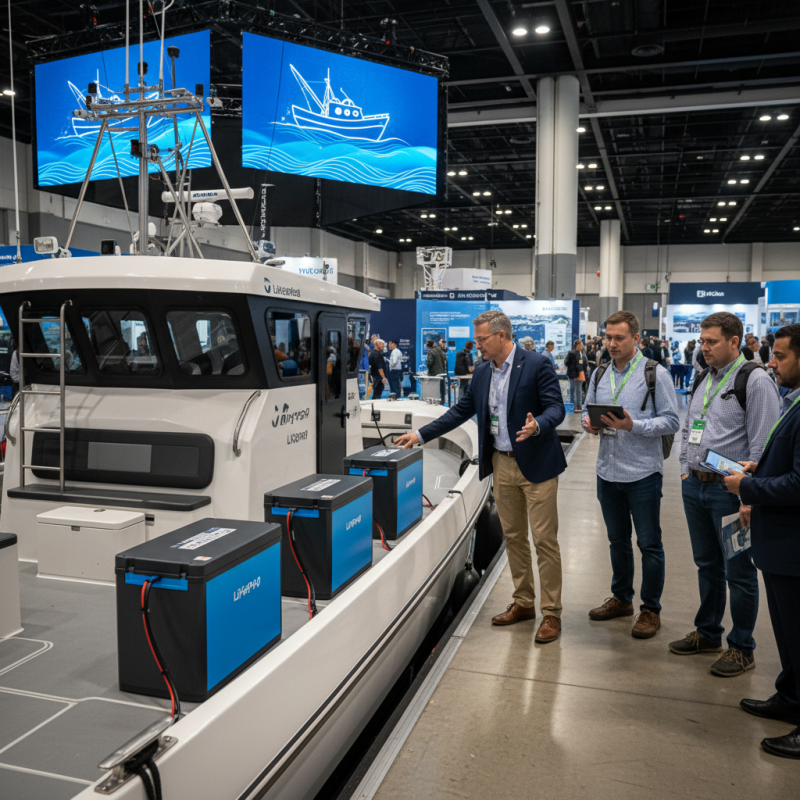
LiFePO4 Fishing Boat Batteries are gaining traction for their longevity and safety. They provide reliable power, essential for long days on the water. Attendees at the Canton Fair will see innovations that enhance both performance and user experience. Features such as lightweight design and fast charging capability are noteworthy.
However, the industry still faces challenges. Some users struggle with understanding the benefits of LiFePO4. Misconceptions about cost and installation imply that not all are aware of long-term savings. Engaging discussions at the Fair may address these issues, fostering greater acceptance of LiFePO4 Fishing Boat Batteries within the fishing community.
Benefits of LiFePO4 Batteries for Fishing Boats
LiFePO4 batteries are becoming popular for fishing boats. These batteries have distinct advantages. They offer high energy density. This means they can store more energy in a smaller space. Fishermen appreciate this because it saves room on the boat.
One significant benefit is their longer lifespan. LiFePO4 batteries can last up to 10 years with proper care. This reduces the need for frequent replacements. Less downtime means more time fishing. Plus, these batteries are lightweight. This feature makes it easier to handle them during maintenance.
Safety is another important aspect. LiFePO4 batteries are stable and less likely to catch fire. However, they still require careful handling. Overcharging can lead to issues. Regular checks are crucial to ensure they operate safely. Ultimately, they provide a reliable power source for those long days on the water.
Why Choose LiFePO4 Fishing Boat Batteries at the 139th Canton Fair? - Benefits of LiFePO4 Batteries for Fishing Boats
| Feature | LiFePO4 Batteries | Traditional Lead-Acid Batteries |
| Energy Density | High | Moderate |
| Cycle Life | 2000-5000 Cycles | 300-800 Cycles |
| Charging Speed | Fast | Slow |
| Weight | Lightweight | Heavy |
| Environmental Impact | Less Toxic | Toxic |
| Self-Discharge Rate | Low | High |
| Cost | Higher initial cost; lower lifetime cost | Lower initial cost; higher lifetime cost |
Key Features of LiFePO4 Batteries Compared to Traditional Batteries
LiFePO4 batteries offer significant advantages over traditional lead-acid batteries, especially for fishing boats. These lithium iron phosphate batteries are known for their high energy density. They generally provide 100-200 amp-hours for similar sizes. This means more power for equipment on board. In contrast, lead-acid batteries often fall short. They are heavier and bulkier, making them less efficient for marine applications.
One of the standout features of LiFePO4 batteries is their lifespan. They can last up to 10 years or more with proper care. Traditional batteries, however, often last only 3-5 years. This discrepancy leads to higher long-term costs when using lead-acid batteries. A report by the International Council on Clean Transportation indicates that LiFePO4 can withstand over 2000 charge cycles. Meanwhile, lead-acid batteries are typically rated for about 500 cycles at best.
Another critical factor is safety. LiFePO4 batteries are more stable and have a lower risk of thermal runaway compared to conventional options. This stability is essential for boaters, where safety is paramount. The weight reduction offered by LiFePO4 batteries can also mean better performance on the water. Still, some may worry about the initial cost. While upfront investment can be higher, long-term savings cannot be ignored. Each decision deserves careful consideration, especially in a tough market.
Factors Influencing Battery Choice at the Canton Fair
When attending the 139th Canton Fair, selecting the right battery for fishing boats is crucial. LiFePO4 batteries stand out for their energy density and safety. Reports suggest these batteries can deliver up to 3,000 charge cycles. Users often deal with the challenge of battery weight and capacity. LiFePO4 provides a lighter alternative to traditional lead-acid batteries, making handling easier.
Consider the environment. Fishing boats need reliable power sources. Weather and water conditions can be unpredictable. LiFePO4 batteries perform well, even in extreme temperatures. The overall stability of these batteries is essential for longer voyages. However, the initial investment might deter some users. The cost per cycle is lower in the long run, leading to savings.
Lastly, warranty length and customer support matter. Many potential buyers overlook these details. A robust warranty often indicates manufacturer confidence. It’s vital to weigh these factors when making a choice. Users must remain cautious about quality rather than price alone. Balancing performance and cost is challenging but necessary for sustainable fishing operations.
Insights from Manufacturers Showcasing LiFePO4 Solutions
At the 139th Canton Fair, manufacturers showcased the growing importance of LiFePO4 fishing boat batteries. These batteries offer significant advantages over traditional lead-acid options. Their lightweight design enhances boat performance. Additionally, they exhibit excellent thermal stability. This translates into safer operations, especially for fishing boats traveling long distances.
Many manufacturers highlighted the long lifespan of LiFePO4 batteries. They can endure deep discharges, ensuring reliable power even under heavy use. However, buyers must remain vigilant. Some products may promise high efficiency but fail to deliver. It's crucial to research before making a purchase.
Tips for selecting the right battery include checking warranties and performance ratings. Understanding battery management systems can also enhance safety and efficiency. Look for testimonials from other boaters who have made the switch. Their real-world experiences can guide your decision. Choosing the right battery can make a difference in fishing adventures. But it requires careful thought and consideration.
Sustainability and Cost-Effectiveness of LiFePO4 Batteries in Fishing
The sustainability of LiFePO4 batteries makes them an excellent choice for fishing boats. They have a longer lifespan compared to traditional lead-acid batteries. Studies indicate that LiFePO4 batteries can last up to 2,000 charge cycles. This longevity reduces the need for frequent replacements, lowering environmental waste.
Cost-effectiveness is another critical feature of LiFePO4 batteries. While their initial price is higher, they offer more value in the long run. Operators can save significantly on maintenance and replacement costs. Research shows that switching to LiFePO4 can lead to a decrease in overall cost of ownership by 30% over five years.
However, users should consider the charging infrastructure. Many fishing operations may not have the proper setup for these advanced batteries. This can lead to inefficient charging and reduced performance. It’s essential to evaluate whether existing equipment can handle the necessary requirements for LiFePO4 compatibility. The transition needs careful planning to reap maximum benefits.