What Is a Lithium Battery Pack?
A lithium battery pack is more than a cluster of cells. It combines cells, electrical connections, protective controls, and often a sturdy outer case. Together, these parts store energy and deliver it to a device or system. Small details matter. A loose connection, for example, can affect performance and heat management. Battery scientist Jeff Dahn’s work offers a useful reminder: “A battery is a system, not just a cell.” This phrase captures an important design principle, though each pack’s construction depends on its intended use.
This introduction explains what a lithium battery pack is and how its main parts work together. It also distinguishes individual cells from complete packs, and describes how cells can be arranged in series or parallel. The battery management system, often called a BMS, monitors conditions such as voltage and temperature. It helps keep operation within designed limits. Still, it cannot make every pack suitable for every application.
Pack specifications can seem abstract. Voltage, capacity, energy, and power each describe different characteristics. A label alone does not tell the whole story. The following sections examine common lithium-ion chemistries, pack configurations, key performance terms, and practical selection considerations. They also cover charging, storage, and routine inspection at a general level. Real-world use can differ from a product sheet. That gap deserves attention. Knowing the pack’s design and limits helps readers ask better questions before choosing or using one.
Definition and Core Components of a Lithium Battery Pack
What Is a Lithium Battery Pack?
Definition and Core Components of a Lithium Battery Pack
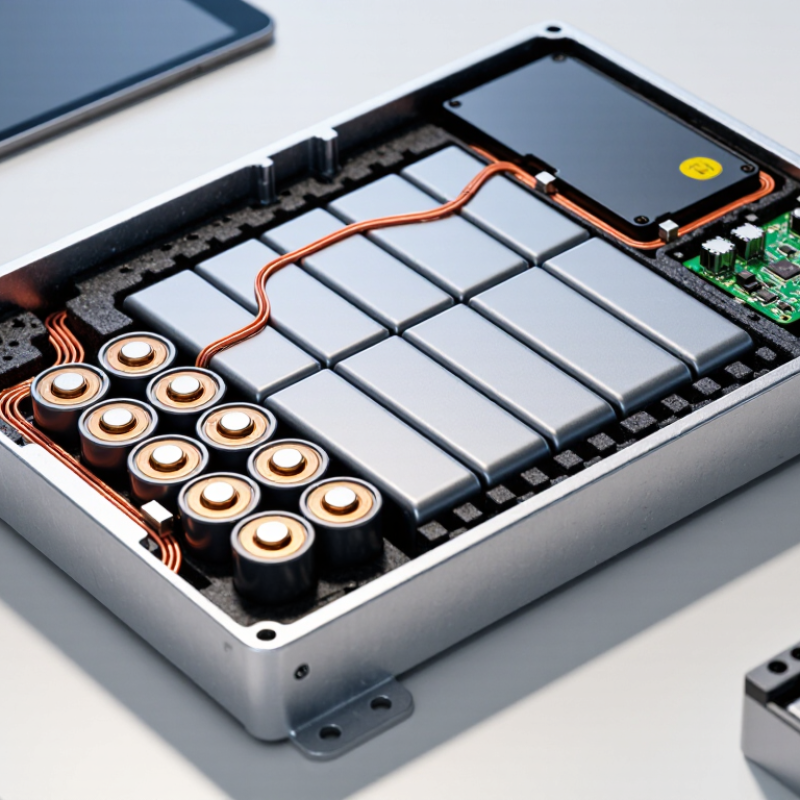
A lithium battery pack is an assembled energy source built from rechargeable lithium-based cells. The cells store energy through electrochemical reactions, then deliver electricity to a device or system. A pack may contain only a few cells or many, depending on its required voltage and capacity. Cell arrangement matters. It affects the pack’s size, output, and heat behavior.
The cells are the core components, but they do not work alone. A battery management system monitors voltage and temperature, and can limit charging or discharging when readings move outside safe operating ranges. Sensors provide measurements; wiring and connectors carry power and signals. Many packs also include insulation, a protective enclosure, and thermal components that help manage heat. Not magic. Just coordinated parts.
Pack designs vary, so a simple diagram may hide important differences. Some use grouped cells called modules, while others connect cells directly within the enclosure. The enclosure can protect components from impact or dust, but it does not make every pack suitable for every environment. Heat changes things. When evaluating a pack, check its stated voltage, capacity, operating limits, and intended application. Those details are easy to overlook, and they matter more than a tidy label suggests.
What Is a Lithium Battery Pack? — Definition and Core Components
A lithium battery pack combines lithium-ion cells with supporting parts—typically a battery management system (BMS), electrical interconnects, and a protective enclosure. Some packs also include thermal management components. Cells connected in series increase pack voltage; parallel connections increase capacity.
These are typical nominal voltages per cell; exact values vary by cell design. A pack’s voltage depends on how its cells are connected.
How Lithium Cells Are Connected to Form a Pack
A lithium battery pack is a group of cells connected to meet a device’s voltage and capacity needs. Cells connected in series add their voltages. Cells connected in parallel increase available capacity and current capability, depending on the cell and pack design. A diagram makes this look simple. The physical layout matters just as much.
Conductive links, often called busbars, connect cell terminals. Their material, thickness, and contact quality affect resistance and heat. Some designs use welded connections; others use bolted terminals suited to their cells. Insulating sheets keep conductive parts from touching where they should not. Small gaps matter. A pack also needs a structure that limits movement, since vibration can loosen connections or damage insulation over time.
A battery management system monitors cell voltages and temperatures, and may balance cells during charging. It can also interrupt operation when readings exceed set limits. Yet electronics cannot fix badly matched cells or poor assembly. Cells with different histories may drift apart, even when their labels look alike.
That is the trade-off: a compact pack saves space, but leaves less room for heat to escape. Careful cell selection, secure connections, and appropriate testing help reveal problems before regular use.
The Role of the Battery Management System
A lithium battery pack combines multiple cells to provide usable voltage and capacity. Inside, the battery management system (BMS) monitors conditions that are difficult to judge from the outside. It tracks cell voltage, pack current, and temperature. Small errors matter.
During charging and use, the BMS can limit current or disconnect the pack when readings exceed its operating limits. It may also balance cells, helping them reach similar charge levels. This supports safer operation and more consistent performance, but it cannot repair damaged cells or restore lost capacity. A BMS is only as reliable as its sensors, wiring, and configuration. Heat changes things. Even a well-designed system may respond imperfectly if a sensor is misplaced or a connection becomes loose, so inspection and appropriate pack design still matter.
Tips: Use a charger suited to the pack’s specifications, and keep vents clear. Watch for unusual heat, swelling, or a sudden change in performance. Stop using a pack that appears damaged, and have it checked by a qualified technician.
Key Pack Ratings, Configurations, and Performance
A lithium battery pack groups cells into modules, then connects them to deliver usable voltage and energy. Series connections raise voltage; parallel connections increase capacity and current capability. A pack labeled 48 V and 20 Ah stores about 960 Wh nominally. That is a useful estimate, not a promise of full usable energy.
Read the ratings together. Voltage describes electrical pressure, while amp-hours measure charge; watt-hours make energy easier to compare. Continuous and peak discharge ratings show how much current the pack can supply, and for how long. The battery management system monitors cell voltage and temperature. BloombergNEF’s 2023 Battery Price Survey put the average lithium-ion pack price at $139 per kilowatt-hour, down 14% from 2022. That market figure is not a performance rating, but it shows why pack-level energy matters.
Configuration alone does not predict performance. Temperature, load, charging habits, and cell balance all affect available power and service life. The International Energy Agency reported global battery demand in the energy sector reached 750 GWh in 2023, up about 40% from 2022. More deployment makes clear comparisons valuable. Still, a rating sheet can feel oddly incomplete. Check whether stated capacity is nominal or usable, and whether cycle-life figures specify test conditions. Small details matter.
Common Applications and Essential Safety Considerations
A lithium battery pack combines individual cells with wiring, protective electronics, and a casing. It supplies steady power to devices that need more energy than a single cell can provide. You may find packs in cordless tools, electric bicycles, portable medical equipment, and home energy storage systems. Their size and output vary widely.
The same pack can be useful and demanding. A battery management system can monitor cell voltage and temperature, but it cannot prevent every hazard. Heat is the enemy. Keep packs away from heaters, direct sun, and enclosed spaces that trap warmth. Use a charger designed for the pack’s chemistry and voltage. A mismatched charger may cause damage or overheating. Do not charge a pack with a crushed case, exposed wires, or unusual swelling. Stop using it and seek qualified guidance.
Storage habits matter, though they are easy to neglect. Keep the pack dry, protect its terminals from metal objects, and follow the maker’s instructions for storage level and temperature. For example, don’t leave a tool battery loose in a van on a hot afternoon. Inspect cables and connectors occasionally; small cracks can be easy to miss. If a pack becomes unusually hot, smells odd, or leaks, move away and contact local emergency services when there is immediate danger. Damaged batteries need appropriate collection, not household trash. These precautions are simple, but they still require attention.
What Is a Lithium Battery Pack? - Common Applications and Essential Safety Considerations
| Common Application |
Typical Chemistry |
Typical Nominal Pack Voltage |
How the Pack Is Used |
Essential Safety Considerations |
| Mobile phones and tablets |
Lithium-ion, commonly lithium cobalt oxide or related layered-oxide chemistries |
About 3.6–3.85 V for a single-cell pack |
Supplies portable power to compact electronic devices. |
Use the device’s specified charger. Stop using a pack that is swollen, leaking, unusually hot, or physically damaged. Do not puncture or crush it. |
| Electric bicycles and scooters |
Lithium-ion, often nickel manganese cobalt or lithium iron phosphate |
Common examples include 36 V, 48 V, and 52 V |
Provides energy for the motor and, in many designs, the control electronics and lights. |
Use a charger approved for the pack’s chemistry and voltage. Protect the pack from impact, water ingress, and excessive heat; have damaged packs inspected by a qualified service provider. |
| Electric vehicles |
Often nickel manganese cobalt, nickel cobalt aluminum, or lithium iron phosphate |
Many traction packs operate in the approximate 300–800 V range |
Stores energy for the traction motor and may also support other vehicle systems through power electronics. |
High-voltage packs can cause severe electric shock and fire. Do not open or service them unless trained and authorized; follow vehicle-specific isolation and emergency procedures. |
| Home and commercial energy storage |
Lithium iron phosphate and other lithium-ion chemistries |
Low-voltage systems are often around 48 V; modular high-voltage systems vary by design |
Stores electricity for later use, such as shifting solar energy use or providing backup power. |
Install and operate the system according to its instructions and applicable electrical and fire codes. Provide suitable ventilation and clearances where specified, and use compatible protection and charging equipment. |
| Cordless power tools |
Lithium-ion, commonly layered-oxide chemistries |
Often 18 V nominal; some packs are marketed by a higher maximum voltage |
Delivers high power for portable tools such as drills, saws, and garden equipment. |
Keep terminals from contacting metal objects, avoid extreme temperatures, and do not use a cracked or otherwise damaged pack. Store and charge it as directed by the tool or battery manufacturer. |
General note: A lithium battery pack combines one or more cells and may include a battery management system, sensors, and protective components. Chemistry, voltage, capacity, and safety features vary by design; use only compatible equipment and follow the pack’s instructions.