What is a Lithium Ion Battery Pack and How Does it Work?
The lithium ion battery pack has transformed portable energy storage. Often seen in smartphones and electric vehicles, it plays a crucial role in modern technology. According to the International Energy Agency, sales of electric vehicles surged by 40% in 2020, largely powered by lithium ion technology.
These battery packs are favored for their high energy density and long life cycles. They can store more energy in a smaller space compared to traditional batteries. However, they also present challenges. For instance, thermal runaway can lead to overheating. Issues like this require careful management and innovation from manufacturers.
Recent reports suggest that the global lithium ion battery market will grow to USD 129 billion by 2027. Despite this growth, environmental impacts are a concern. The production process raises questions about sustainability and resource extraction. It is essential to find solutions that minimize negative effects while maximizing the benefits of lithium ion battery packs.
What is a Lithium Ion Battery Pack: Definition and Overview
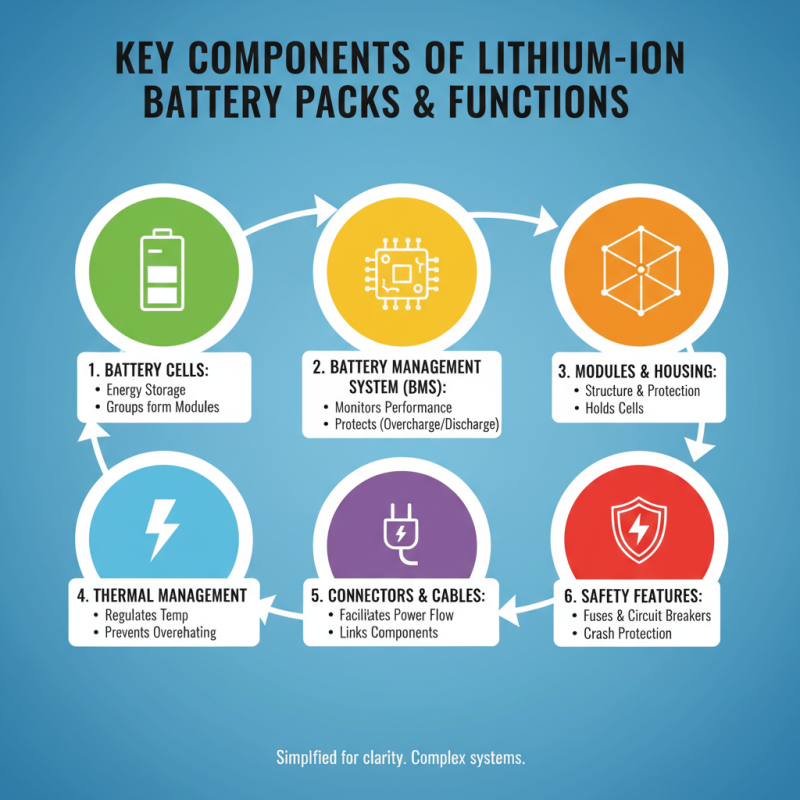
A lithium-ion battery pack is a crucial component in many modern devices. It stores and provides electricity. Understanding its structure helps illustrate its importance. Typically, these packs consist of multiple cells. Each cell is a small unit that can hold energy.
According to a report by the International Energy Agency, the lithium-ion battery market has grown significantly. From 2010 to 2022, the demand increased by over 20% annually. This growth reflects the surge in electric vehicle sales and renewable energy storage. However, this rapid expansion raises questions about sustainability. The extraction of lithium and cobalt can harm the environment.
Working on a lithium-ion battery involves chemical reactions. When charging, lithium ions move from the cathode to the anode. During discharge, the process reverses, releasing energy. This cycle has limitations. Over time, the capacity decreases. Reports suggest batteries lose about 20% of their capacity after two to three years. This degradation challenges manufacturers to improve longevity and efficiency. There's always room for innovation in this critical field.
How Lithium Ion Battery Packs Store and Release Energy
Lithium ion battery packs are key components in modern technology. They store energy through a chemical process involving lithium ions. When charged, lithium ions move from the positive electrode to the negative electrode. This process releases energy for devices, enabling them to function for extended periods.
When in use, the reverse happens. Lithium ions travel back to the positive electrode, generating electricity. This cycle allows for efficient energy storage and retrieval. However, not all battery packs perform equally. Some may lose capacity over time. Environmental factors often affect battery life.
Moreover, charging habits can lead to degradation. Overcharging or deep discharging is not ideal. Users must consider these aspects to maximize battery lifespan. Regular maintenance and monitoring of battery performance are crucial. Understanding these intricacies can lead to better usage practices.
Performance Metrics: Energy Density, Cycle Life, and Efficiency
Lithium-ion battery packs are essential for powering various devices. Understanding their performance metrics helps us appreciate their capabilities. One key metric is energy density. This refers to how much energy a battery can store in a given volume. Higher energy density means longer-lasting power for your gadgets. However, as energy density increases, the battery might become heavier or bulkier. This trade-off can affect device design and portability.
Cycle life is another important factor. It measures how many times a battery can be charged and discharged before its capacity significantly declines. Generally, a higher cycle life indicates a more durable battery. Yet, not all users consider this. Many replace batteries without assessing their cycle life. This can lead to waste and increased costs over time.
Efficiency is critical as well. It indicates how well a battery converts stored energy into usable power. Higher efficiency means less energy wastage. Unfortunately, factors like temperature can impact efficiency levels. Keeping batteries at optimal temperatures can help.
Tip: Always store batteries in cool places. Small changes can extend their life. Monitor charging habits too. Avoid overcharging to maximize performance.
Applications of Lithium Ion Battery Packs in Modern Technology
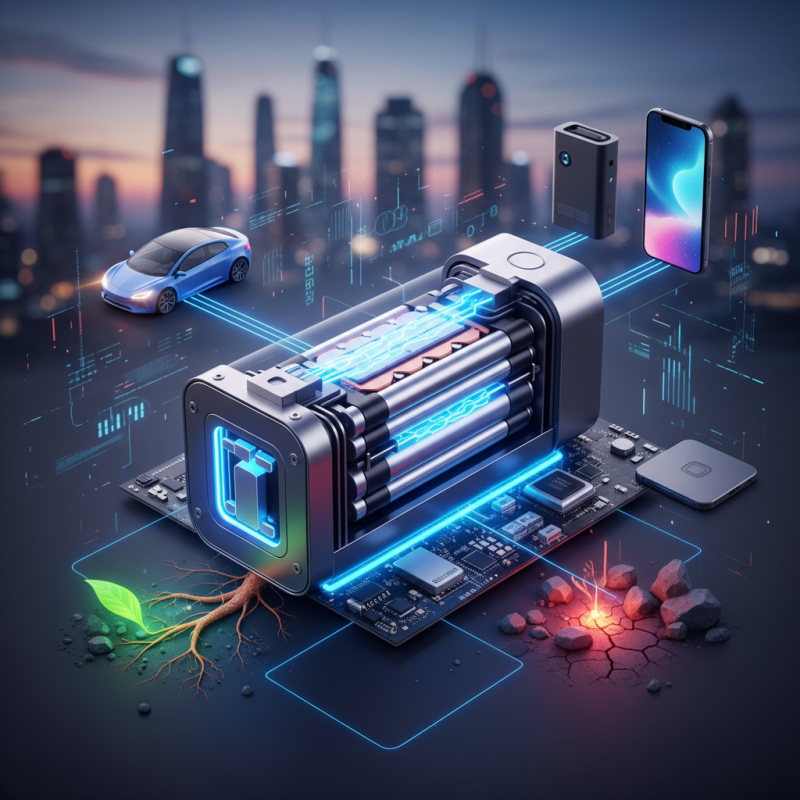
Lithium-ion battery packs are essential in modern technology. They power smartphones, laptops, and electric vehicles. Their lightweight design and high energy density make them ideal for portable electronics. The ability to recharge these batteries also offers significant advantages. However, they come with limitations.
In electric vehicles, lithium-ion batteries enable long-distance travel. But issues like range anxiety linger among users. Charging technology has improved, yet wait times can still be a concern. Additionally, manufacturing these battery packs raises environmental questions. Sustainable materials and recycling methods are still under development.
Renewable energy storage is another important application. Lithium-ion batteries store energy from solar panels and wind turbines. This process enhances the efficiency of green technologies. Yet, dependency on lithium raises strategic concerns. The search for alternative battery technologies is ongoing. Innovations are necessary for a sustainable future.
Applications of Lithium Ion Battery Packs in Modern Technology