Essential Tips for Maximizing Battery Energy Efficiency?
In today's technology-driven world, battery energy efficiency is crucial. Many devices rely on batteries, making their performance vital. Maximizing battery energy can extend device life and reduce environmental impact.
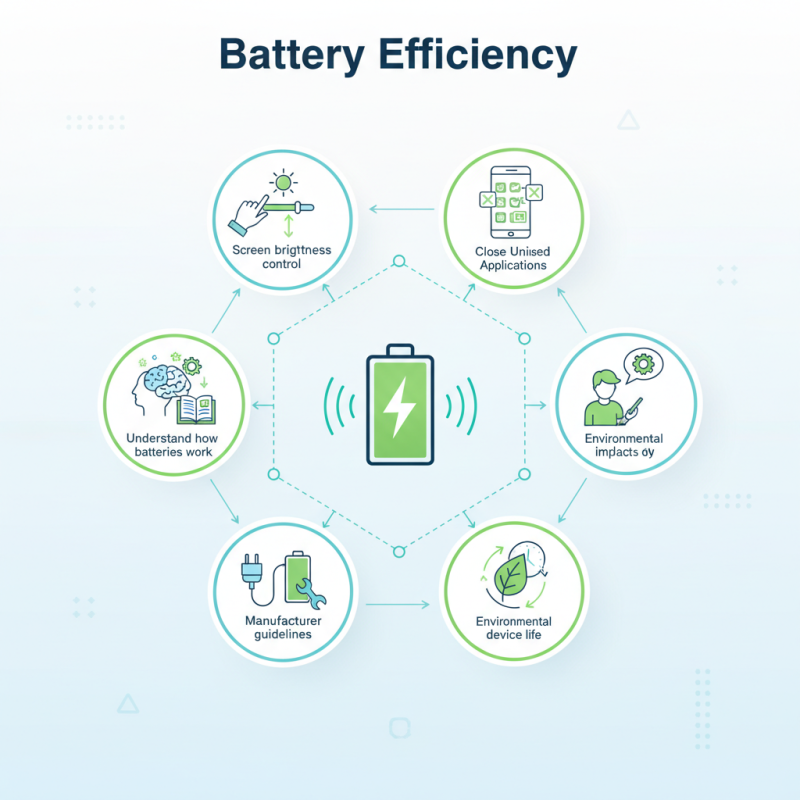
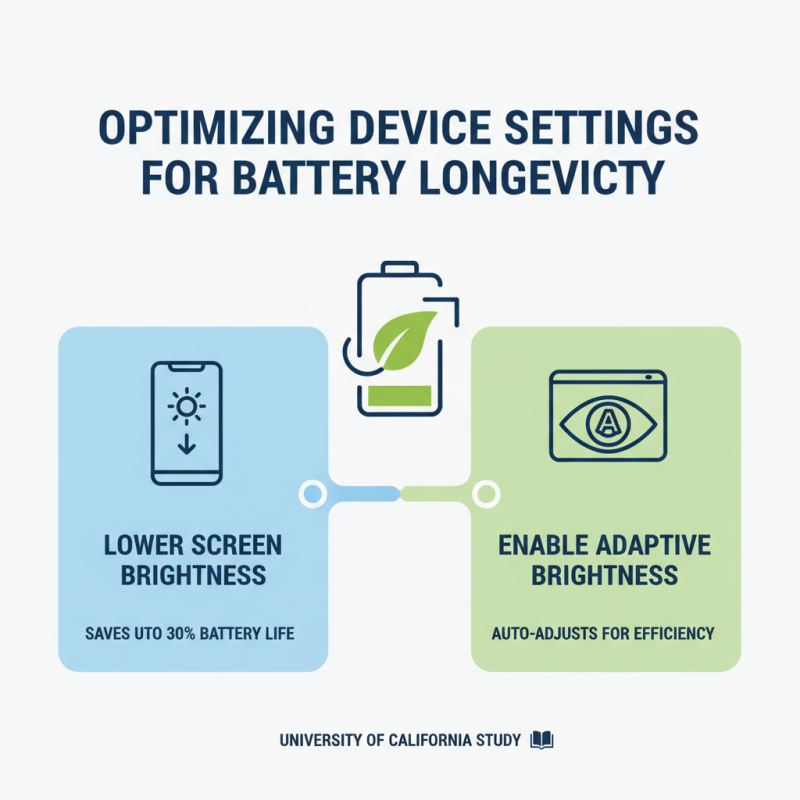
Improving battery energy efficiency is not just about using less power. It’s about understanding how batteries work. Users often overlook simple tactics that can enhance performance. For instance, adjusting screen brightness or closing unused apps can lead to significant energy savings.
However, achieving optimal battery energy efficiency requires continuous effort and learning. People may find it challenging to adopt new habits. Savvy users often experiment with different settings yet sometimes ignore manufacturer guidelines. It's a dynamic journey of trial and reflection, essential for anyone aiming to manage their battery life better.
Understanding Battery Basics for Energy Efficiency
Understanding battery basics is crucial for maximizing energy efficiency. According to a report from the International Energy Agency (IEA), battery efficiency can impact the overall performance of various energy systems. For example, lithium-ion batteries, commonly used in electric vehicles, have an average efficiency of around 90%. This means that a significant amount of energy is lost during the charging and discharging processes.
To improve efficiency, consider the depth of discharge (DoD). A study published by the National Renewable Energy Laboratory indicates that reducing DoD from 100% to 30% can significantly extend battery life. This approach prevents excessive cycling, which can degrade battery capacity over time. Not all batteries can handle frequent deep discharges well. Understanding your specific battery type is essential.
Temperature control plays a critical role in battery performance. High temperatures can accelerate degradation, while cold temperatures can impact efficiency. Data from the Battery University shows that performance can drop by up to 20% in colder conditions. Investing in thermal management systems could be beneficial. Moreover, it’s worth contemplating how charging habits affect lifespan. Regularly charging to 100% may lead to quicker deterioration. Adjusting habits might require some discipline, but the benefits could be substantial.
Identifying Factors Affecting Battery Performance
Battery performance is influenced by several key factors. Temperature, for instance, plays a crucial role. When temperatures soar or drop, energy efficiency can plummet. A cold environment can slow down chemical reactions inside batteries, while excessive heat may lead to degradation. Maintaining an optimal temperature helps in maximizing battery life.
Charging habits are another major factor. Overcharging or intense discharges can harm battery health over time. It's wise to charge batteries in shorter intervals rather than allowing them to completely drain. Frequent partial charges can actually prolong battery longevity. Your charging technique can make a notable difference.
Storage conditions also matter significantly. Batteries should be stored in dry, cool places. Humidity can cause corrosion, while extreme temperatures can affect internal components. If you don’t use a battery for a while, make sure it’s appropriately charged to avoid deep discharge issues. Reflecting on these factors can help you prevent potential performance drops and enhance energy efficiency in the long run.
Essential Tips for Maximizing Battery Energy Efficiency
This chart shows the factors affecting battery performance, including temperature, charge cycles, and discharge rates. Each bar represents the impact level of each factor on battery life, measured on a scale from 0 to 100.
Implementing Effective Charging Practices
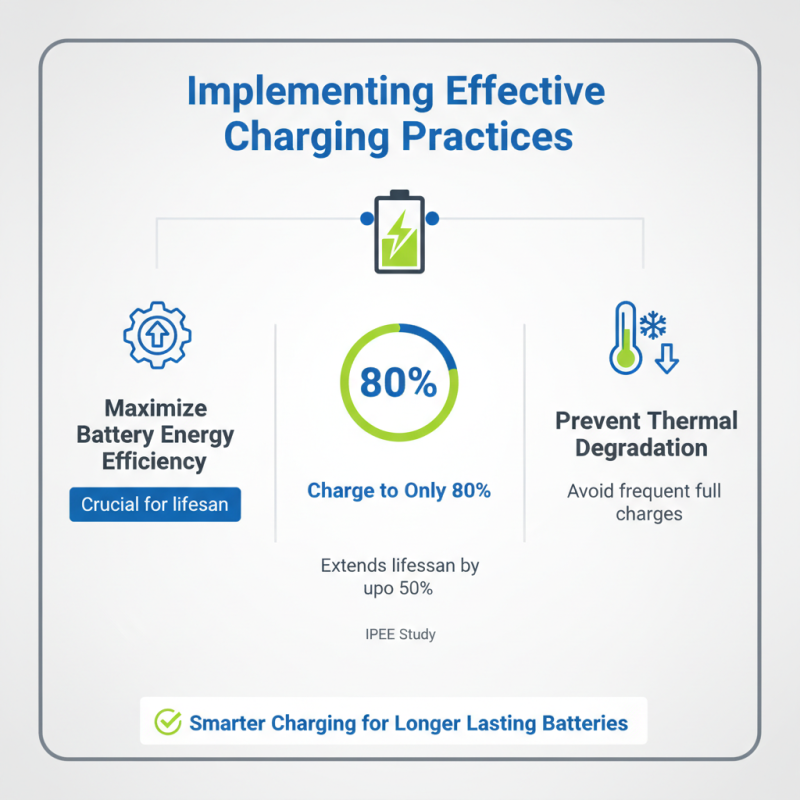
Implementing effective charging practices is crucial for maximizing battery energy efficiency. Research shows that charging habits greatly influence battery lifespan. A study by the IEEE indicates that charging a lithium-ion battery to only 80% can extend its lifespan by up to 50%. Lower charging levels help prevent thermal degradation, a common issue with frequent full charges.
Consider the charging environment. High temperatures can accelerate battery wear. Keeping devices in cool, ventilated spaces can mitigate this risk. Interestingly, many users overlook the benefits of slower charging. Charging overnight may seem convenient but often leads to prolonged exposure to heat. This can diminish battery health over time. A gradual charging approach is generally more beneficial.
It's essential to be mindful of the charging cycles. Deep discharges can harm battery cells, reducing overall performance. Ideally, maintain charge levels between 20% and 80%. Reports from battery research groups echo this advice, emphasizing the impact of consistent charging habits. These nuanced practices can lead to significant improvements in battery longevity and efficiency, even if they demand more effort from users.
Regular Maintenance Tips for Extended Battery Life
Maintaining battery health is crucial for ensuring longevity and efficiency. Regularly checking the battery's connections can prevent issues. Loose connections can lead to power loss. Clean the terminals with a soft cloth to remove corrosion. This simple step can significantly improve energy conductivity.
Temperature control is vital for battery life. Avoid exposing batteries to extreme heat or cold. Both can lead to diminished performance. Store batteries in a cool, dry place when not in use. Monitoring usage patterns is equally important. Charging habits can impact overall health. Try to charge the battery before it completely drains. Deep discharges can weaken the battery over time.
Consider performing periodic maintenance checks. This can involve testing battery voltage and capacity. It's beneficial to replace batteries that show signs of wear. Keeping track of life cycles helps plan for replacements. Small, proactive actions can lead to significant improvements. Reflect on battery usage and adjust habits accordingly. A mindful approach can extend battery life considerably.