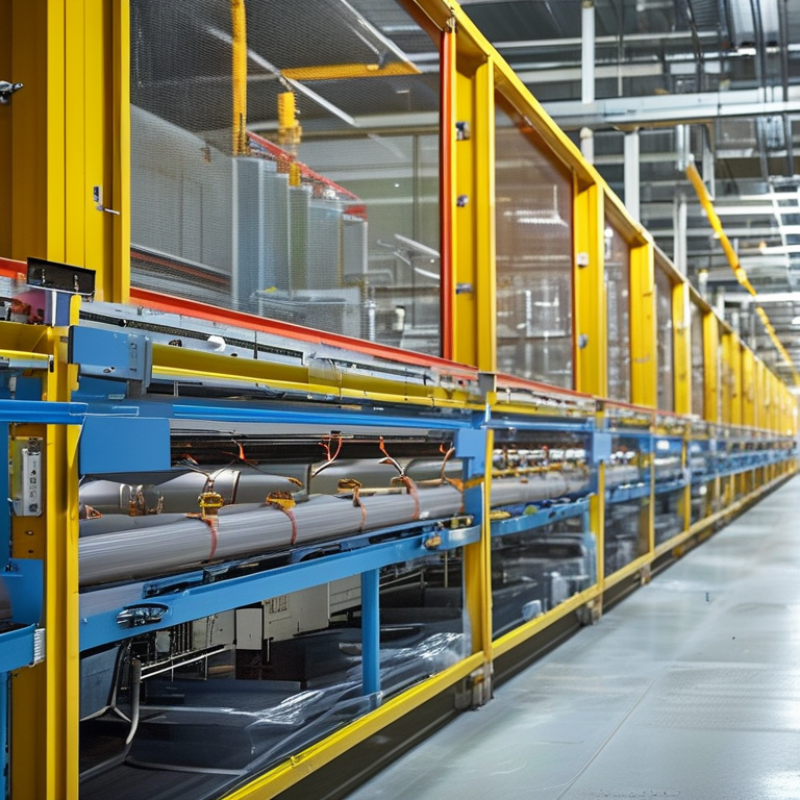
What is Separator Film and How Can It Benefit Your Business?
Separator films play a crucial role in various industrial applications. These films serve as a barrier, preventing direct contact between materials. In industries such as batteries and electronics, Separator Film is essential for ensuring product reliability and efficiency.
Using high-quality Separator Film can significantly enhance your production process. They can improve safety, reduce maintenance costs, and extend product lifespan. However, not all Separator Films are created equal. Choosing the right type for your specific needs requires careful consideration.
A poorly selected separator can lead to inefficiencies and even product failure. It’s important to reflect on your requirements and seek expert advice. Investing in the right Separator Film can transform your operation, providing a solid return on investment. Understanding this material’s benefits is vital for staying competitive.
What is Separator Film and Its Composition
Separator film is a critical component in various industries, particularly in battery and electronics applications. This film serves as an insulating layer, separating electrodes while allowing ions to pass through. Its composition typically includes polyethylene, polypropylene, or other polymers, making it a versatile material. Reports indicate that the global separator film market is projected to reach $4.4 billion by 2026, driven by increasing demand for lithium-ion batteries.
The manufacturing of separator films involves a process of stretching polymers to enhance their properties. This creates a porous structure that can improve ion conductivity. Researchers emphasize the importance of film thickness, pore size, and mechanical strength. These factors directly impact the efficiency of batteries and the overall performance of devices. Inconsistent quality in separator films can lead to overheating or reduced battery lifespan, presenting challenges that businesses need to address.
Data from industry studies highlight that innovations in separator film technology can boost energy density by 20%. This can greatly influence the competitiveness of products in the market. While progress continues, there are still gaps in understanding the long-term performance of these materials under varying conditions. Continuous improvement in separator film quality is essential for sustaining advancements in energy storage solutions.
The Role of Separator Film in Battery Technology
Separator film plays a crucial role in battery technology. It serves as a barrier between the anode and cathode, preventing short circuits. This thin layer is often made of polymer, which offers excellent chemical stability. It helps maintain the electrochemical environment within the battery. When batteries operate, the separator ensures that ions can pass through while keeping the electrodes apart.
The quality of the separator film directly impacts battery performance. A reliable separator improves energy density and charging speed. However, many manufacturers still face challenges in achieving the right balance between thickness and permeability. An overly thin film might lead to safety issues. On the other hand, a thicker film can limit performance. Continuous research aims to refine these materials.
Investing in high-quality separator films can benefit businesses significantly. Enhanced battery performance can lead to longer-lasting products. Consumers are demanding better energy solutions. Companies that prioritize separator film quality may gain a competitive edge. But this requires careful consideration of material sourcing and production methods. Balancing innovation with cost is often a challenge in the industry.
Key Benefits of Using Separator Film in Various Industries
Separator film is becoming increasingly popular across various industries. This thin barrier plays a crucial role in ensuring efficiency and safety. It often protects sensitive materials from moisture, contaminants, and physical damage. Whether in electronics or food packaging, its benefits are significant.
In the automotive sector, separator film aids in battery production. It prevents short circuits and enhances safety. In food processing, this film ensures freshness by keeping moisture out. The flexibility and durability of this material make it suitable for diverse applications. Businesses can reduce waste and improve product quality by integrating separator film.
However, not all companies have adopted this technology. Some may overlook its importance in manufacturing processes. There might be hesitance due to initial costs. It's vital for businesses to evaluate their needs. The right separator film can lead to substantial long-term benefits. These advantages often outweigh the upfront investments required.
Factors to Consider When Choosing Separator Film
When choosing separator film, several key factors come into play. The thickness of the film is critical. Industry reports indicate that films ranging from 10 to 25 microns often strike the right balance for many applications. A thicker film can provide better barrier properties but may also increase costs. Understanding your specific needs can help in making the right choice.
Another significant factor is the material composition. Polyethylene and polypropylene remain popular due to their affordability and performance. However, emerging biodegradable options are gaining traction, thanks to rising environmental concerns. According to a recent market analysis, the demand for sustainable materials is expected to rise by 25% in the next five years. Businesses must weigh the benefits against potential costs.
Compatibility with existing processes is also essential. Films that don’t adhere well can cause issues, impacting output and efficiency. This often leads to unexpected downtime. Industry feedback reveals that up to 15% of businesses face challenges due to incompatible film options. Careful evaluation before procurement can help mitigate these risks.
Future Trends and Innovations in Separator Film Technology
Separator film technology is evolving rapidly, impacting various industries. This innovation focuses on enhancing battery performance, particularly for electric vehicles and renewable energy storage. Recent advancements in materials and manufacturing processes have led to thinner and more efficient separator films. These films also show improved thermal stability and mechanical strength, which are crucial for the safety and longevity of batteries.
Emerging trends include the incorporation of nanotechnology and recyclable materials. Nanomaterials can optimize the separator film's barrier properties, minimizing ionic crossover and enhancing energy density. Additionally, using recyclable components can promote sustainability in manufacturing. Businesses must adapt to this shift towards greener technologies. However, not all companies are fully prepared. A lack of awareness about these trends may hinder their competitiveness in the market.
Moreover, challenges persist in the consistency and scalability of these new materials. Manufacturers must balance cost and performance as they integrate these innovations. Anticipating future demands will require flexibility and investment in research. Companies should remain vigilant and proactive, considering these potential pitfalls. Adopting innovative separator film technology can ultimately lead to better product offerings and increased customer satisfaction.
What is Separator Film and How Can It Benefit Your Business?
| Dimension | Description | Benefits | Future Trends |
| Material Type | Polyethylene, polypropylene, and other polymer materials | Variety in applications, good insulation | Advancements in bio-based materials |
| Thickness | Ranges from 12 to 50 microns | Tailored performance for various battery sizes | Innovations in ultra-thin separator films |
| Cost Efficiency | Low production costs and availability | Reduces overall manufacturing expenses | Economies of scale in production |
| Performance | High ionic and electrolyte conductivity | Enhances battery life and performance | Increasing use of solid-state separators |
| Market Trends | Growing demand in EV and renewable energy storage | Supports global sustainability goals | Focus on recyclable materials and sustainability |