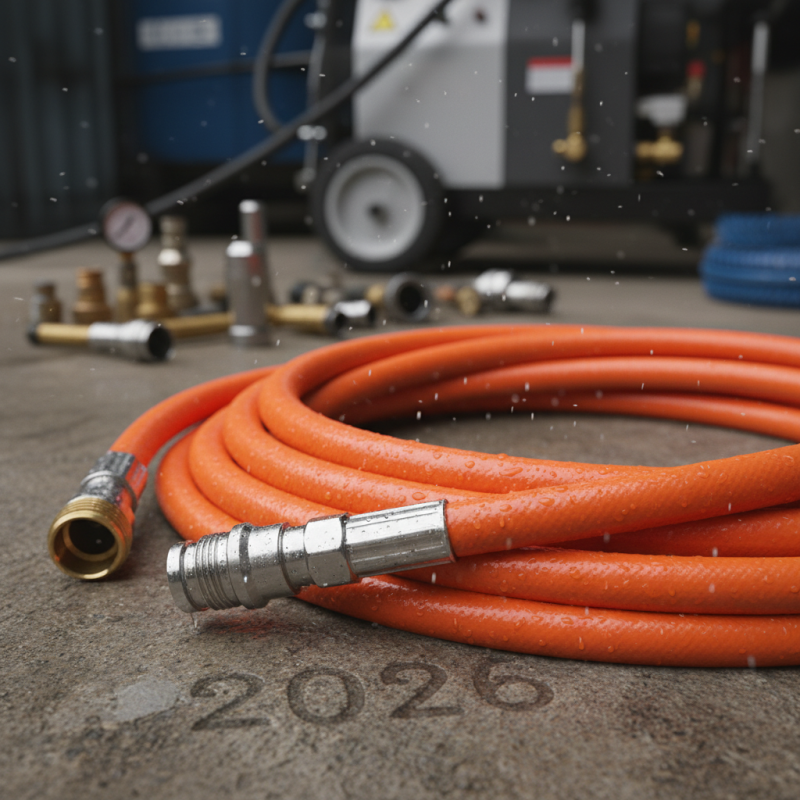
Top Drain Jetting Hose Options for 2026 What to Choose?
When it comes to maintaining drainage systems, choosing the right Drain Jetting Hose is crucial. The market is flooded with options, making selection challenging. Understanding the specifications can help you make an informed decision.
A high-quality Drain Jetting Hose can significantly enhance your efficiency in tackling blockages. Look for hoses that can withstand high pressure and provide flexibility. We will explore various options available for 2026, considering performance and durability as key factors.
Selecting a Drain Jetting Hose isn't merely about price. It's important to consider the materials used and the hose's capability under strain. This guide aims to provide insights into these choices, helping you avoid common pitfalls. Your investment in a reliable hose will pay off in improved maintenance tasks.
Top Factors to Consider When Choosing a Drain Jetting Hose
Choosing the right drain jetting hose requires careful consideration of several factors. Durability is essential. A robust hose will withstand high pressure and harsh conditions. Materials like polyurethane and rubber provide strength but differ in flexibility. Assessing the application is crucial. Are you dealing with residential plumbing or industrial drainage? Different environments demand different hoses.
Length and diameter are key specifications. Longer hoses offer greater reach, while wider diameters allow for better water flow. However, a longer hose can also be cumbersome. Balancing these elements ensures optimal performance without sacrificing maneuverability. Also, consider compatibility with your jetting equipment. A mismatch may lead to inefficiencies.
Finally, user feedback is invaluable. Seek reviews from experienced professionals. They often highlight strengths and weaknesses that specifications may overlook. Understand that no single hose suits every situation perfectly. Mistakes in selection happen. Reflect on past experiences to guide future purchases.
Drain Jetting Hose Options Comparison for 2026
Types of Drain Jetting Hoses and Their Specific Uses
When exploring drain jetting hoses, it's essential to understand the different types and their uses. High-pressure jetting hoses are designed for tackling tough blockages. These hoses can handle pressures up to 4000 PSI, making them ideal for commercial applications.
Flexible jetting hoses, on the other hand, are perfect for navigating tight bends in drainage systems. Data shows that over 60% of drain cleaning professionals prefer these when dealing with complex pipe layouts.
Reinforced hoses are another option, providing increased durability and longevity. They are made to withstand harsh conditions, essential for outdoor uses. According to industry reports, hose failures account for nearly 15% of drain cleaning incidents. This underlines the importance of choosing the right type for specific situations.
However, not all hoses are universally effective. Some may fail under extreme pressure, leading to equipment damage. It's crucial to match the hose’s specifications with the job requirements.
The choice becomes more challenging with numerous options available. Each type of hose serves distinct purposes. Understanding users' experiences and technical specifications helps. Skilled professionals often rely on user reviews and comparative studies to make informed choices. Selecting the best option ensures efficiency and cost-effectiveness.
In this evolving industry, it's vital to remain informed about advancements in hose technology.
Material Durability: Choosing the Right Hose for Longevity
When selecting a drain jetting hose, material durability is paramount. A durable hose can withstand intense pressure and harsh conditions. Many hoses are made from materials like PVC or polyurethane, which offer varying degrees of flexibility and strength.
Polyurethane hoses tend to resist abrasion and weathering better than their PVC counterparts. This results in a longer lifespan and better performance in challenging environments. Additionally, the resistance to kinking and crushing is vital. A hose that wears down quickly or develops weak spots can lead to costly repairs.
However, it’s not just about the material. Installation and maintenance play crucial roles in longevity. Improper handling can lead to premature wear. A good practice is to regularly inspect for signs of wear, such as cracks or frays. Keeping hoses clean and stored correctly can also extend their usable life. Remember, your choice today impacts your toolkit's efficiency tomorrow.
Performance Specifications: Pressure Ratings and Flow Capacity
When selecting drain jetting hoses for 2026, understanding performance specifications is essential. Pressure ratings and flow capacity are key factors that directly impact the effectiveness of the equipment. Industry reports indicate that hoses are commonly rated between 1500 to 3000 PSI. Higher pressure ratings often correlate with faster and more efficient cleaning. It's imperative to choose a hose that matches the task's demands.
Flow capacity is equally significant. Many hoses deliver between 5 to 20 gallons per minute (GPM). A higher GPM ensures that debris removal is swift, which is crucial for maintaining operational efficiency. Specific studies recommend hoses with a flow rate of at least 10 GPM for standard jobs. Selecting a hose with insufficient flow capacity can lead to prolonged cleaning times and less effective debris removal.
Consider the material and construction of the hose as well. A lightweight option may be more manageable, but durability can be compromised. Balancing the need for flexibility with structural integrity is vital. Reviewing industry certifications and testing data can provide insights into reliability. The ideal hose will not only meet but exceed the necessary specifications for the intended applications.
Cost-Effectiveness: Balancing Quality and Price in Hose Selection
When selecting a drain jetting hose, cost-effectiveness is crucial. Quality materials may have a higher upfront cost. They often provide better durability and efficiency. A well-made hose lasts longer and reduces replacement costs. Consider the materials used. Higher-grade rubber or thermoplastic can withstand high pressure better. This can prevent damage and ensure optimal performance during tough jobs.
Price alone shouldn't dictate your choice. Sometimes, lower-cost hoses break or fail sooner. This results in additional expenses. Invest in hoses that balance price with reliability. Evaluate warranties and manufacturer reputation. These factors indicate trust and quality assurance. Seek reviews and testimonials for real-world performance.
Ultimately, make an informed choice. Look beyond the sticker price. Consider long-term savings and effectiveness. A properly chosen hose not only enhances performance but also minimizes frustrations. Avoiding pitfalls in selection can lead to a much smoother operation in the long run.
Top Drain Jetting Hose Options for 2026 What to Choose? - Cost-Effectiveness: Balancing Quality and Price in Hose Selection
| Hose Diameter (inches) | Length (feet) | Material | Pressure Rating (psi) | Cost ($) |
| 1.0 | 50 | PVC | 3000 | 150 |
| 1.5 | 75 | Rubber | 4000 | 250 |
| 2.0 | 100 | Polyurethane | 5000 | 350 |
| 2.5 | 150 | Nylon | 6000 | 450 |
| 3.0 | 200 | Steel Reinforced | 8000 | 600 |