Why Do You Need an Automatic Voltage Regulator?
Electricity is expected to be steady, but real supply can rise or fall as electrical loads switch, wiring runs long, or generators respond unevenly. Those changes may cause lights to dim, equipment to reset, or motors to run hotter than intended. An Automatic Voltage Regulator (AVR) helps correct voltage within its designed operating range, providing a more consistent output for connected equipment. That can matter in homes, workshops, offices, and facilities that rely on sensitive electronics or motor-driven appliances. Small fluctuations can add up.
An AVR is not a cure-all. It does not automatically protect against every power surge, outage, or frequency problem, so it should not be confused with a surge protector or an uninterruptible power supply. Choosing one means checking the equipment’s voltage, total load, startup demand, and the regulator’s operating limits. For example, a compressor may draw more power when it starts than its normal running figures suggest. That detail is easy to overlook. Installation conditions matter, too, and a qualified electrician can help assess an unsuitable or unstable supply.
The practical question is not simply whether voltage changes, but whether those changes affect equipment performance, reliability, or service life. An AVR may be valuable where voltage variations are frequent, though results depend on the device and the quality of the incoming supply. It is worth checking the manufacturer’s specifications rather than assuming every regulator offers the same protection. Regulated power helps, but it cannot fix every underlying electrical issue.
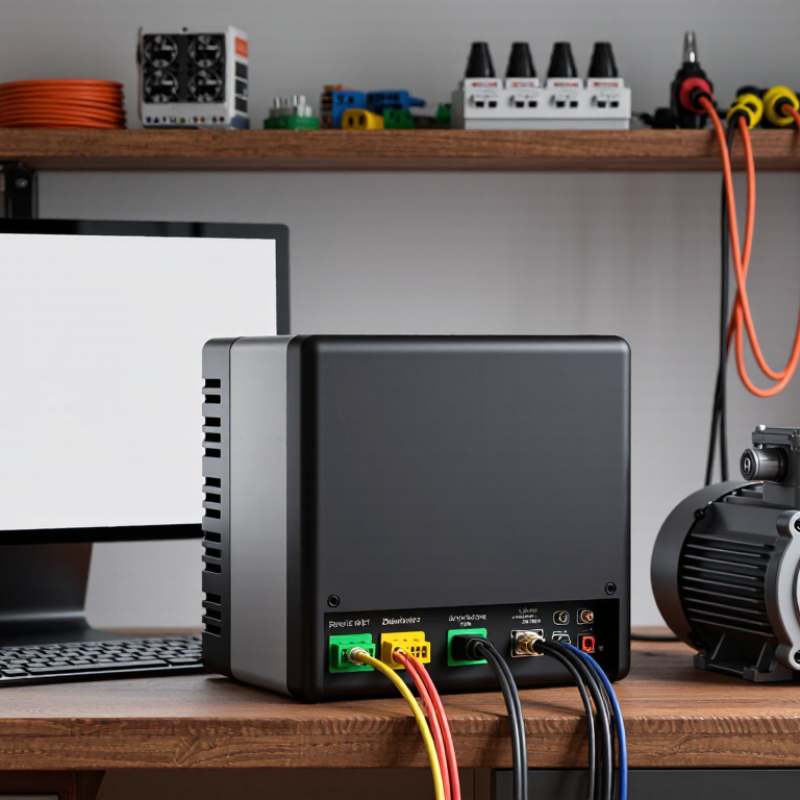
What an Automatic Voltage Regulator Is
An automatic voltage regulator (AVR) is an electrical device that keeps voltage near a selected level as the incoming supply changes. A sensing circuit continually checks the voltage against a reference value. When the supply drops, the AVR can raise its output; when it climbs, the regulator can reduce it. Depending on the design, it may use electronic switching, transformer taps, or a motor-driven mechanism. The aim is steadier power, not perfectly constant power. That distinction matters.
AVRs are used with equipment that may behave poorly when voltage fluctuates, such as computers, control systems, and some appliances. Picture a workshop where lights dim briefly as a large motor starts; an appropriately sized regulator may help limit the effect on connected equipment. A regulator is not a surge protector, though, and it cannot correct every power problem. It may not protect against outages or severe electrical faults. Sizing also matters: an undersized unit can struggle when several devices start together. The word “stable” can sound reassuring, but actual performance depends on the regulator, the load, and the supply. Check the equipment’s voltage and power requirements before choosing one.
How Voltage Fluctuations Affect Electrical Equipment
Voltage fluctuations can quietly shorten the life of electrical equipment. When voltage drops, motors may draw more current to maintain their workload, causing extra heat. A refrigerator compressor might run longer than usual, while a pump may struggle to start. Small changes matter. High voltage can stress insulation and sensitive electronic components. Repeated dips may also reset control boards, interrupting equipment cycles or causing lights to flicker.
An automatic voltage regulator helps keep output voltage within a suitable range when incoming power rises or falls. This can reduce stress on connected equipment, especially where supply changes are frequent. However, an AVR has operating limits. It cannot correct every power problem, and it should be selected for the equipment’s voltage, load, and starting current. A mismatch may leave devices inadequately protected or overload the regulator. An AVR is not a substitute for proper wiring or surge protection.
Tips: Check equipment labels and the AVR’s rated capacity before connecting a load. Note when flickering or resets occur. If problems persist, have a qualified electrician inspect the supply; the cause may be a loose connection, not voltage variation alone.
How an Automatic Voltage Regulator Stabilizes Power
An automatic voltage regulator (AVR) keeps supply voltage near a set level when incoming power rises or falls. It senses the input and adjusts the output through transformer taps or electronic controls. Think of a workshop where a compressor starts: the lights may briefly dim, and a sensitive instrument may reset. An AVR can correct many gradual voltage changes. It is not a battery. It cannot keep equipment running during a blackout.
The details matter. ANSI C84.1-2020 specifies Range A service-voltage limits of about ±5% from nominal, giving a useful reference for stable supply. Uptime Institute’s 2023 Annual Outage Analysis found that 54% of surveyed respondents said their most recent significant outage cost more than $100,000; 16% reported costs above $1 million. Those figures cover outages broadly, not voltage fluctuations alone. Still, they show why power quality deserves attention. A regulator may reduce stress on motors, control systems, and electronics, but it cannot fix every cause of failure. That limitation is easy to overlook. Before choosing one, measure the actual voltage swings and check the equipment’s load requirements. A little measurement beats guesswork.
Why Do You Need an Automatic Voltage Regulator?
How an Automatic Voltage Regulator Stabilizes Power
The chart shows an illustrative example: as input voltage varies from 102 V to 138 V, an AVR adjusts its output toward the nominal 120 V level. Actual regulation depends on the device and operating conditions.
Where Automatic Voltage Regulators Are Used
Automatic voltage regulators (AVRs) are used where voltage swings can disrupt sensitive equipment or production. In data centers, they help stabilize power for servers, cooling controls, and network systems. Uptime Institute’s 2024 outage analysis found that 54% of surveyed operators reporting a significant outage identified power problems as a cause. An AVR cannot prevent every outage. It corrects voltage variation, not a failed utility supply. A UPS or generator may still be necessary. Small distinction. Big consequences.
Hospitals may use AVRs to support imaging and laboratory equipment; factories use them to protect control systems and precision machinery. Telecom sites and commercial buildings also rely on stable voltage. The International Energy Agency’s Electricity 2024 report estimated data-center electricity use at 460 TWh in 2022, with demand projected to reach 620–1,050 TWh by 2026. That growth makes power quality harder to overlook. On farms, long feeder lines can leave pump motors vulnerable to low voltage; the AVR must be sized for motor-starting current, not just normal running load. I would check input range, load capacity, and maintenance needs before specifying one. An AVR alone does not correct every power-quality problem, such as frequency drift.
Key Benefits and Factors in Choosing a Regulator
An automatic voltage regulator (AVR) helps keep equipment supply voltage within a chosen range when incoming voltage rises or falls. That matters in workshops, clinics, and small server rooms, where lights may dim during motor starts or equipment may restart after a voltage dip. An AVR is not a battery. It cannot keep equipment running through an outage, and it may not stop fast transients. That distinction matters.
Choosing one starts with measurement, not guesswork. Log voltage at the equipment during busy and quiet periods, then check the regulator’s input range against those readings. Match its continuous watt or volt-ampere rating to the actual load, including motors or compressors that draw extra current at startup. Check phase, output accuracy, response time, cooling, and overload protection. A nameplate alone is not enough; it is an easy detail to miss. Measure before buying.
The 2024 Uptime Institute Annual Outage Analysis reported that 54% of surveyed organizations’ most recent significant outages cost more than $100,000. That finding concerns outages, not voltage fluctuations, so it does not show that an AVR would prevent those losses. It does underline why power resilience deserves attention. For sensitive electronics, confirm the manufacturer’s voltage tolerance and have a qualified electrician assess the installation. An oversized unit can waste money; an undersized one may trip when a load starts.