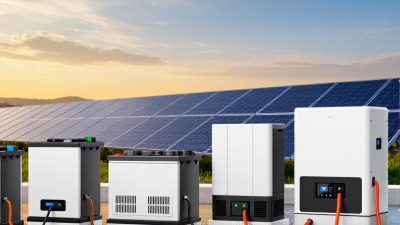
A solar battery storage system can shift rooftop electricity into evening use. But the best choice depends on household demand, not a glossy capacity figure. At dusk, a family may run lights, cook dinner, and charge a car at once. A battery’s usable capacity and power rating determine which loads it can actually support. Those figures are not interchangeable.
Amory Lovins, co-founder of the Rocky Mountain Institute and a longtime energy-efficiency expert, has said, “The cheapest energy is the energy you don't use.” That principle matters when comparing storage options. Before choosing a battery, review a year of utility bills, note evening consumption, and identify essential backup loads. A refrigerator and router need different output from an electric oven or heat pump. Small details change the right system size.
In 2026, compare usable capacity, continuous power, round-trip efficiency, warranty terms, and compatibility with your inverter. Check whether the system can provide backup during an outage, and ask how it behaves when the battery is nearly empty. Get the installer’s load assumptions in writing. Then compare total installed cost, not just the battery price. Even careful estimates miss something. Household routines change, and product specifications can look clearer than real-world performance. The best choice is the one that fits your actual use, with its limits understood.

Before comparing solar battery systems, review a full year of electricity bills. Monthly totals reveal broad patterns, but they can hide sharp evening peaks or seasonal changes. If available, check hourly usage data from your utility or energy monitor. Note when the oven, heating equipment, or well pump runs. These loads can shape battery needs more than a daily average. Small details matter.
List the circuits you want powered during an outage, then estimate their energy use and runtime. A refrigerator might use modest energy over a day, while a pump draws more power when starting. Separate essentials, such as lights and internet equipment, from comforts you can switch off. Battery capacity helps estimate how long those loads may run, but usable capacity and inverter losses affect the result. Check both the battery’s continuous power rating and its surge capability. A first estimate is only a starting point; real routines can be messier.
Consider how quickly solar panels could recharge the battery on cloudy winter days, not just on bright summer afternoons. If backup must last overnight, size around that specific need rather than assuming the battery will cover the whole house.
Choosing a solar battery starts with chemistry, not the advertised capacity. Lithium iron phosphate batteries often suit homes that cycle storage daily; they typically offer long service life and strong thermal stability. Nickel manganese cobalt batteries can provide high energy density, useful where indoor space is tight, but their operating limits and safety requirements deserve close review. Lead-acid systems may cost less upfront, yet they usually provide less usable energy and need more careful maintenance. Check usable kilowatt-hours, warranty conditions, and expected performance at your local temperatures.
Configuration matters just as much. A DC-coupled battery can reduce conversion steps when paired with a compatible hybrid inverter, especially in a new solar installation. An AC-coupled unit may fit more easily into an existing system, though energy can pass through extra conversions. Look at what happens during a grid outage: some systems need a separate backup circuit, and not every solar inverter can recharge a battery while disconnected from the grid. A fridge, router, and a few lights need far less power than an electric range or heat pump.
Match the system to actual loads. Review hourly usage, outage frequency, roof production, and the battery’s continuous power rating—not capacity alone. Ask an installer to show how the design handles cloudy days and simultaneous appliance starts. A spreadsheet can still miss real household habits. That is worth admitting. A carefully sized system may outperform a larger battery that rarely fills or cannot deliver enough power when needed.
Choosing battery capacity starts with the energy you need overnight, not the biggest number on a product label. List essential loads—refrigerator, lights, router, and medical equipment—and estimate their daily use in kilowatt-hours. A refrigerator might use 1–2 kWh daily, but its age, room temperature, and cycling matter. Check actual meter data when possible. Guesswork is common.
Add the loads you expect to run during an outage, then multiply their combined daily energy by the backup duration you want. For example, 4 kWh of essential use over one day calls for more than 4 kWh of rated battery capacity. Usable capacity is lower after reserve limits and conversion losses. If 90% of the rated energy is usable, 4 ÷ 0.9 is about 4.5 kWh. Leave a little room; estimates are rarely perfect.
Capacity is only half the choice. Power, measured in kilowatts, determines which appliances can run at the same time. Add their running watts, then account for short startup surges from motors and pumps. A battery with ample stored energy can still trip if its output is too low. Check continuous and surge ratings, plus inverter limits. Not just runtime. Consider how quickly solar panels can refill the battery after a cloudy day; a larger battery may stay partly empty if charging is slow. Count the kettle? Only if you truly need it during backup.
A battery must match your inverter, service-panel limits, and backup circuits. Check whether it uses AC or DC coupling, and confirm that your existing solar equipment supports that setup. Ask which loads it can run during an outage; a fridge, router, and a few lights need less power than an electric range. Check both usable capacity and continuous output. The numbers differ.
Safety deserves more than a brochure claim. Request documentation for the complete installed system, including applicable UL 9540 certification and, where relevant, UL 9540A fire-propagation test information. Confirm where the unit will sit, how it will be protected from heat or water, and what clearances the installer requires. EnergySage’s 2024 Solar & Storage Marketplace Report reported a U.S. quoted storage price of about $1,133 per kilowatt-hour. Treat that as a market benchmark, not your quote: installation scope and location change the total.
Read warranty terms line by line. Compare years, cycle or energy-throughput limits, and guaranteed capacity at the end of coverage. Ask what happens if the battery stops communicating or needs service. Get an itemized estimate covering equipment, labor, electrical upgrades, and monitoring fees. A low upfront price can hide exclusions. I would still compare two bids; even careful estimates can miss a panel upgrade.
Compare typical cycle-life ranges by battery chemistry. Longer cycle life can mean more years of service, but compatibility, safety certifications, warranty terms, usable capacity, and installed cost also matter.
These indicative ranges vary by product, operating temperature, depth of discharge, and usage. Confirm the exact specifications and warranty with the battery and inverter documentation before buying.
Ask every installer to quote the same usable battery capacity, continuous power, backup circuits, and expected operating schedule. A 10-kWh battery does not necessarily supply every household load overnight. Request a written load estimate, including heating equipment, refrigeration, and any planned electric vehicle charging. Compare round-trip efficiency, capacity retention, warranty terms, and replacement labor. NREL’s 2024 Annual Technology Baseline uses 85% round-trip efficiency and a 15-year life for its utility-scale lithium-ion reference case. Those are modeling assumptions, not promises for a home system. Details matter.
Compare itemized prices, not just the headline total. Separate battery equipment, inverter work, electrical upgrades, permits, installation, and monitoring fees. Ask what is excluded, and whether the price changes if the site needs a panel upgrade. Then check each proposal’s savings estimate against your actual utility bills, rate plan, and outage priorities. A spreadsheet can still mislead if installers assume different energy use or backup loads. That comparison is not glamorous, but it is useful. Ask for the assumptions in writing, plus commissioning steps and a sample monitoring screen. If one proposal promises far more savings, ask which inputs explain the difference. A clear answer is worth more than a polished graphic.
How to use this table: Compare the written specifications in each proposal, not just the advertised battery capacity or total price. Performance, warranty terms, permitting requirements, and available incentives vary by product, location, and installation.
| Evaluation Dimension | What to Compare in Each Proposal | What to Verify | Priority |
|---|---|---|---|
| Usable battery capacity | Compare usable kilowatt-hours (kWh), not only the battery’s nominal or gross capacity. Match capacity to the loads you want to cover and the length of backup you need. | Ask for the usable capacity at installation and whether the quoted figure accounts for the system’s reserve setting. | High |
| Continuous and peak power | Compare continuous output in kilowatts (kW) with the combined demand of the appliances you expect to run. Check peak output and how long the system can sustain it. | Confirm whether the quoted output is per battery, per inverter, or for the complete system. Check the starting requirements of motors, pumps, and other large loads. | High |
| Backup operation | Check whether the proposal includes backup capability, which circuits will be backed up, and whether the system can operate during a grid outage. | Identify any required transfer equipment, essential-load panel, additional wiring, or manual steps. A grid-connected battery does not necessarily provide backup by itself. | High |
| Solar and battery compatibility | Compare the proposed battery, inverter, and existing solar equipment as a complete system. For a new installation, ask whether the design is AC-coupled or DC-coupled. | Request a single-line electrical diagram and confirmation that the specified equipment is compatible with the existing or proposed solar array. | High |
| Round-trip efficiency | Compare the stated round-trip efficiency and how it is measured. This figure describes the portion of stored energy returned after charging and discharging. | Check whether the figure applies to the battery alone or the full system, and whether it is measured on an AC or DC basis. | Medium |
| Warranty and capacity retention | Review the warranty duration, covered components, capacity-retention commitment, and any energy-throughput or cycle limits. | Read the actual warranty document. Confirm who handles claims, what operating conditions are required, and whether labor and removal are covered. | High |
| Battery chemistry and installation location | Compare the stated chemistry, permitted operating environment, and proposed indoor or outdoor location. | Check manufacturer installation instructions, local code requirements, clearances, temperature limits, and any ventilation or access requirements. | Medium |
| Usable energy per dollar | Compare the complete installed price alongside usable capacity, power, backup equipment, and included electrical work. Avoid comparing price per nominal kWh alone. | Request an itemized quote showing equipment, labor, electrical upgrades, permits, commissioning, taxes, and any optional items separately. | High |
| Installer qualifications | Compare relevant licensing, battery-installation experience, project references, and responsibility for design, permitting, installation, and commissioning. | Verify licensing and insurance with the appropriate local authorities. Ask who will perform the work and who will provide post-installation support. | High |
| Permits and utility coordination | Check which party will prepare permit applications, arrange inspections, and coordinate any required utility approvals or interconnection updates. | Ask for the expected steps and responsibilities in writing. Approval processes and requirements differ by location and utility. | Medium |
| Monitoring and controls | Compare the included monitoring tools, available system settings, and whether the battery can be configured for backup, self-consumption, or time-of-use operation. | Ask about internet requirements, data access, software fees, and which settings remain available if the installer or monitoring service changes. | Medium |
| Proposal completeness | Compare system diagrams, equipment schedules, assumptions, exclusions, payment milestones, and the scope of work across all proposals. | Request written clarification for missing specifications, exclusions, estimated savings, incentive assumptions, and any promised performance figures. | High |