What is Lifepo4 Lithium Battery and How Does It Work?
The lifepo4 lithium battery is a popular choice for energy storage today. Its reliability and efficiency set it apart in various applications. According to a report by Research and Markets, the lithium iron phosphate (LiFePO4) battery market is projected to reach $14.4 billion by 2026, driven by increasing demand for renewable energy solutions.
These batteries offer a longer lifespan, high thermal stability, and are less prone to overheating compared to traditional lithium-ion batteries. This makes them suitable for electric vehicles, solar energy systems, and portable electronics. However, challenges remain in terms of production costs and optimizing energy density, which requires ongoing research and development.
Despite their advantages, potential buyers should consider the limitations of the lifepo4 lithium battery. Charging times can be longer, and their performance may not be as competitive in high-demand scenarios. Understanding these nuances is crucial for making informed decisions in energy technology.
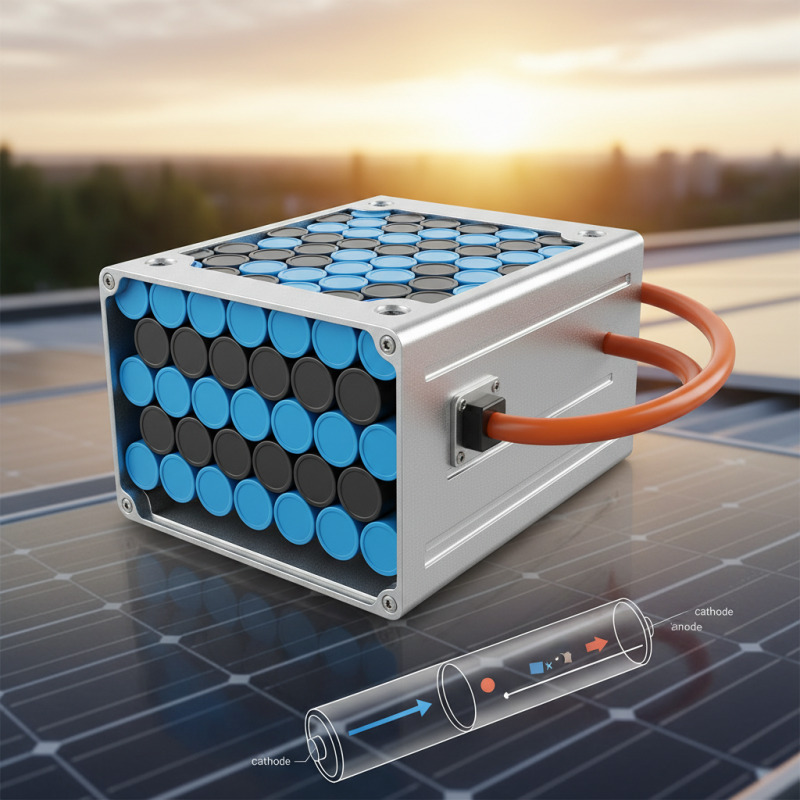
What is a Lifepo4 Lithium Battery?
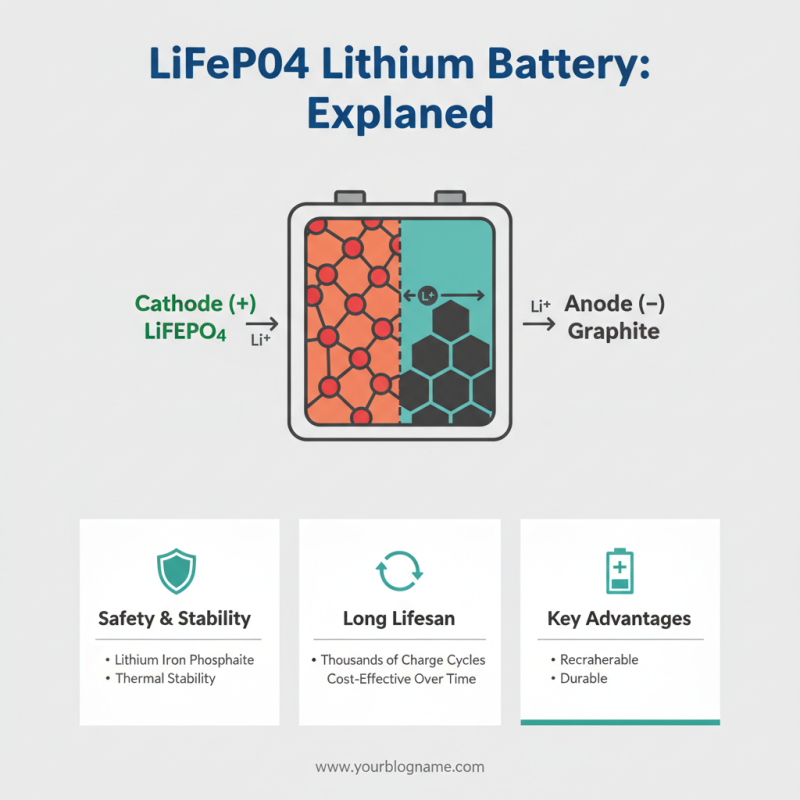
A Lifepo4 lithium battery, or lithium iron phosphate battery, is a type of rechargeable battery known for its safety and stability. It uses lithium iron phosphate as the cathode material and graphite as the anode. This unique combination offers several advantages, such as a longer lifespan and thermal stability. Lifepo4 batteries often last for thousands of charge cycles, making them a cost-effective choice over time.
The performance of Lifepo4 batteries in diverse applications is noteworthy. They provide excellent power density and efficiency, making them suitable for electric vehicles, solar storage systems, and other energy applications. However, they also have limitations. Their energy density is lower than other lithium batteries, which can be a drawback in some high-performance situations.
Understanding the workings of Lifepo4 batteries is essential for anyone considering their use. These batteries operate through electrochemical reactions, where lithium ions move between the anode and cathode during charging and discharging. While they have a strong reputation for safety, their performance can be influenced by factors like temperature and charge cycles. Consequently, managing these aspects is crucial for optimal battery health.
Key Characteristics of Lifepo4 Lithium Batteries
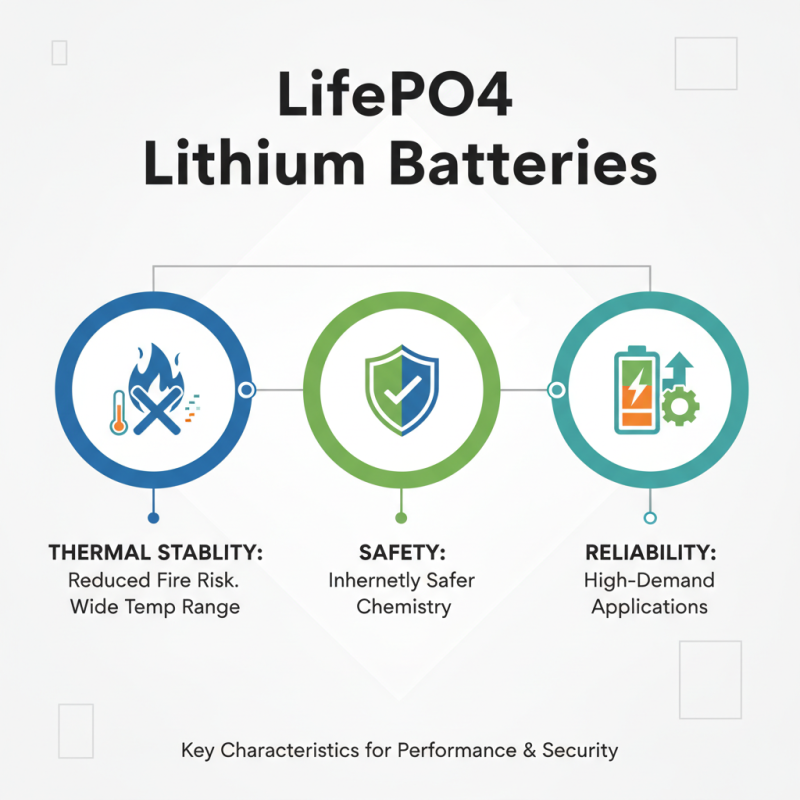
LiFePO4 lithium batteries have gained popularity for their unique characteristics. One key advantage is their thermal stability. This makes them safer than other lithium batteries, significantly reducing fire risks. The chemistry involved ensures these batteries can operate under a wide temperature range. Users appreciate this safety, especially in high-demand applications.
Another notable feature is their longevity. LiFePO4 batteries typically last longer than traditional lithium-ion batteries. They can endure numerous charge cycles while maintaining performance. This durability means less frequent replacements, which can save costs over time. However, it's essential to remember that poor charging practices can shorten battery life.
Additionally, LiFePO4 batteries offer decent energy density. While they may not be the highest compared to other lithium types, the balance of safety and lifespan makes them appealing for many users. They are ideal for energy storage systems and electric vehicles. Still, some people may overlook their limitations, such as lower energy density and weight, which can impact performance in specific applications. Recognizing these trade-offs is crucial for making informed decisions.
Chemical Composition and Structure of Lifepo4 Cells
LiFePO4 lithium batteries are gaining popularity due to their unique chemical composition. The cells consist of lithium iron phosphate, a stable and non-toxic material. This structure enhances safety and provides efficient energy storage. LiFePO4 cells offer a longer lifespan compared to other lithium-ion batteries. Their ability to withstand high temperatures without overheating is notable.
The crystal structure of LiFePO4 plays a crucial role in its performance. The olivine structure allows lithium ions to move quickly during charging and discharging. This results in high rates of energy delivery. However, this advantage can lead to some drawbacks. For example, the lower energy density compared to other lithium batteries means they are bulkier. This can limit their applications in certain devices.
One must also consider the charging characteristics. LiFePO4 batteries require specific charging protocols. Improper charging can reduce the lifespan of the cells. Additionally, while the cells are robust, they may not perform well in extreme cold environments. Awareness of these factors is essential for optimization. Understanding their composition and challenges helps in making informed decisions for various applications.
Advantages and Disadvantages of Lifepo4 Technology
LiFePO4 lithium batteries are gaining traction due to their unique properties. They offer a strong balance of performance, safety, and longevity. Notably, their cycle life can exceed 2,500 cycles, significantly longer than traditional lithium-ion batteries. However, these advantages come with several trade-offs.
One key advantage of LiFePO4 technology is thermal stability. This characteristic makes them less prone to overheating, which is crucial in applications like electric vehicles. Data from industry reports highlight a thermal runaway risk as low as 6% compared to other lithium technologies. Furthermore, they maintain a stable discharge voltage, providing a more reliable power source under varying loads.
Conversely, LiFePO4 batteries have lower energy density. This means they are bulkier for the same amount of stored energy compared to other lithium batteries. They can also be more expensive to produce, impacting their adoption rate. Tips: when considering battery types, assess space and weight limits. Also, research long-term performance. It's essential to weigh the pros and cons based on your specific needs.
The longevity of LiFePO4 batteries is impressive, but charging them requires specific management systems. A lack of this can lead to reduced lifespan. It's worth noting that while these batteries are safer, care must still be taken to ensure optimal functioning.
Applications and Market Trends of Lifepo4 Batteries
Lithium Iron Phosphate (LiFePO4) batteries have carved a niche in various applications due to their unique characteristics. As of 2023, the global LiFePO4 battery market is projected to reach $4.3 billion by 2027, growing at a CAGR of 15.6%. This growth is driven predominantly by the rising demand for electric vehicles (EVs) and renewable energy storage solutions.
In the commercial sector, LiFePO4 batteries are commonly utilized in solar energy systems. Their long lifespan and thermal stability make them a preferred choice for energy storage. They offer a cycle life of up to 5,000 cycles, significantly outlasting traditional lead-acid batteries. The automotive industry sees a surge in the adoption of LiFePO4 due to regulations promoting cleaner transportation. A recent report noted that LiFePO4 batteries accounted for 30% of the EV market in 2022.
Tips: Consider the environmental impact when choosing battery technology. Look for recyclable solutions to minimize waste.
LiFePO4 batteries are also emerging in the consumer electronics space. They are used in power tools and e-bikes. However, challenges remain. The energy density of LiFePO4 is lower than other lithium-ion batteries. This limits their usage in applications where size and weight are paramount. Market trends indicate ongoing research to enhance this performance gap while keeping safety features intact. This is crucial for wider adoption.
What is Lifepo4 Lithium Battery and How Does It Work? - Applications and Market Trends of Lifepo4 Batteries
| Feature |
Description |
| Chemistry |
Lithium Iron Phosphate (LiFePO4) |
| Voltage Range |
3.2V - 3.3V per cell |
| Energy Density |
90-160 Wh/kg |
| Cycle Life |
2000-5000 cycles |
| Applications |
Electric vehicles, solar energy storage, power tools |
| Market Trends |
Growing demand for renewable energy and electric mobility |
| Safety |
Non-toxic, thermal stability, less prone to overheating |
| Cost |
Generally lower compared to other lithium battery types |