Top 10 Solar Battery Backup Systems for Home Use
A home battery can turn rooftop solar from a daytime resource into backup power after sunset or during an outage. The right setup may keep a refrigerator cold, lights on, and a Wi-Fi router running. It may not power every appliance at once. That matters.
Elon Musk, a longtime solar-industry leader, described the sun as “a giant fusion reactor in the sky.” A battery helps households use some of that energy when sunlight fades. Yet storage capacity, inverter limits, and installation choices shape what a system can actually support. A large capacity figure alone does not tell the whole story.
This guide compares 10 solar battery backup systems for home use, focusing on usable capacity, continuous power, expandability, warranty terms, and compatibility with solar equipment. It also considers practical details: whether a system can handle a well pump, how long essential circuits may run, and whether installation requires a compatible inverter. Small details count. Product specifications and local installation costs can change, so confirm current terms with manufacturers and qualified installers. The comparisons are a starting point, not a substitute for a household load assessment. No system is perfect. A battery that suits a compact home may disappoint a household expecting whole-home backup, especially through a long outage. Check the trade-offs before choosing.
What a Home Solar Battery Backup System Is
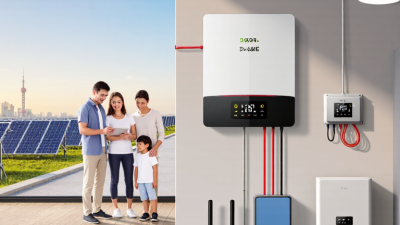
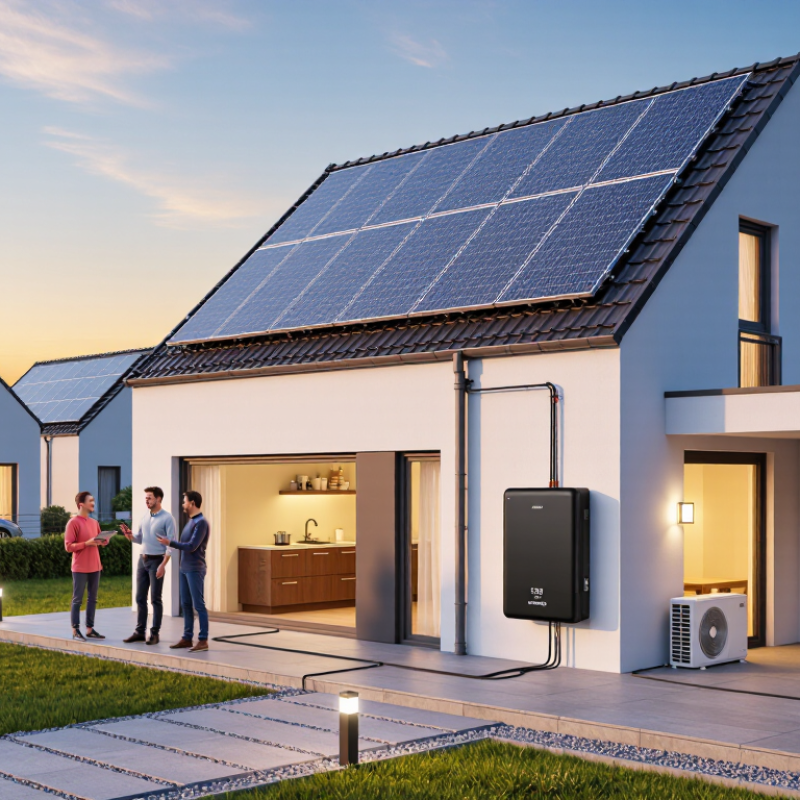
A home solar battery backup system stores electricity from rooftop panels for later use. During sunny hours, panels can power household devices and charge the battery, depending on the system’s design. After sunset or during a grid outage, stored energy can run selected circuits, such as a refrigerator, a few lights, or a router. Not always the whole house. Backup time depends on battery capacity, household demand, and whether panels can keep recharging it.
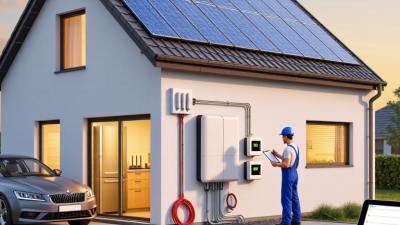
A typical setup includes solar panels, an inverter, a battery, monitoring controls, and equipment that separates backed-up circuits from the grid when needed. Some systems support only essential devices; others can serve more of the home. Higher demand drains stored energy faster. A qualified installer can assess the electrical panel, expected loads, and site conditions. An electric kettle or space heater can use more power than people expect. It is easy to assume “backup” means everything works as usual, but that assumption can be wrong.
Tips: List essential appliances and check their wattage before comparing systems. Ask how long they can run and whether the battery can recharge during an outage. Cloudy weather and winter days may reduce solar input.
Top 10 Solar Battery Backup Systems for Home Use: Estimated Runtime by Capacity
These examples compare generic battery capacities, not specific products. Estimated runtime assumes 90% of nominal capacity is available as AC energy and a steady 1 kW load; actual runtime varies with battery settings, inverter efficiency, and household demand.
How Solar Batteries Store and Deliver Energy
A home solar battery stores electricity that rooftop panels produce but the house does not use right away. During sunny hours, panels send direct current through an inverter or charge controller, which manages charging and helps keep the battery within its operating limits. When clouds gather or evening demand rises, stored energy flows back through the inverter as alternating current for household circuits. The process is not perfectly efficient; some energy becomes heat during conversion.
That’s normal.
A battery’s usable capacity, measured in kilowatt-hours, describes how much energy it can supply over time. Its power rating, measured in kilowatts, describes how many appliances it can run at once. A system might keep lights, a router, and a refrigerator running, yet struggle with an electric oven and a pump together. Backup behavior also depends on whether selected circuits can be safely isolated from the grid during an outage.
That part is easy to overlook.
Cold conditions, battery age, and reserve settings can further reduce available energy. For realistic planning, compare evening use with usable capacity, and ask an installer to explain the limits in plain language.
I’d leave some margin; household habits are less predictable than a spreadsheet suggests.
What to Compare When Choosing a Home Battery
Compare usable capacity, not just the battery’s headline size. A 10 kWh unit may provide less energy after its reserve setting is applied. Estimate how long you need to run essentials, such as a refrigerator, a few lights, and your internet router. Then check continuous output and surge power. A refrigerator compressor can briefly draw more power when it starts. Capacity matters. So does power.
Check how the battery connects to your solar system and which circuits receive backup power. Some setups can keep selected circuits running during an outage; others need additional electrical work. Ask whether the system can charge from solar while the grid is down. Confirm this with the installer, since wiring and equipment configuration affect the answer. Also compare round-trip efficiency, usable operating temperature, warranty terms, and expected capacity retention. Warranty language can be dense. Read the details.
Cost should include installation, electrical upgrades, and any required backup equipment, not only the battery itself. Get an itemized quote. Ask how the system handles cloudy days and whether additional storage can be added later. A larger battery may sound reassuring, but it may sit underused if your evening demand is low. It is easy to focus on one impressive number and miss the practical limits. I would check actual household loads before choosing; estimates are imperfect, and appliance use changes from day to day.
Ten Solar Battery Backup Systems for Home Use
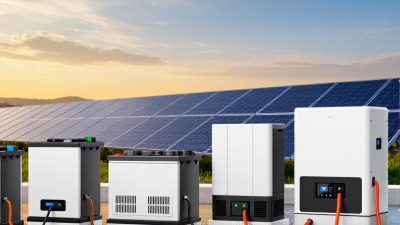
Ten home-use systems can suit very different needs. One is a portable battery paired with folding solar panels, useful for a few lights or charging devices. Two is an AC-coupled battery added to existing solar panels. Three is a DC-coupled system designed alongside new panels. Four uses modular batteries that can grow over time. Five is a compact wall-mounted unit for homes with limited floor space. Small details matter.
Six is a floor-standing, higher-capacity battery for longer outages. Seven backs up selected circuits through a dedicated subpanel, often keeping a refrigerator, router, and a few lights running. Eight is a whole-home system sized for larger loads, though electric heating can drain it quickly. Nine is an off-grid arrangement with solar, storage, and carefully managed demand. Ten is a hybrid system with a compatible generator input for extended cloudy periods. Measure twice. More capacity is not always better.
Compare usable energy with continuous power and surge limits; these describe different things. A battery may store enough energy for hours yet struggle with a pump’s startup demand. Check inverter compatibility, transfer behavior, temperature limits, warranty terms, and whether installation includes circuit work. A tidy estimate based on one sunny day can miss a week of gray skies. Review actual household usage and decide which appliances truly need backup before choosing a configuration.
Top 10 Solar Battery Backup Systems for Home Use - Ten Solar Battery Backup Systems for Home Use
These are generic system configurations, not specific products. Capacity, usable energy, inverter output, and solar-array pairing are typical planning ranges; actual performance depends on equipment, settings, weather, and household loads.
| System |
Battery chemistry |
Nominal capacity |
Typical usable energy |
Typical continuous inverter output |
Typical paired solar array |
Best suited for |
| 1. Compact essential-load backup |
Lithium iron phosphate (LFP) |
About 5 kWh |
About 4–4.5 kWh |
About 3–5 kW |
About 2–4 kW |
Lighting, internet, phones, and a refrigerator |
| 2. Small whole-home essentials system |
LFP |
About 10 kWh |
About 8–9 kWh |
About 5–7 kW |
About 3–6 kW |
Essential circuits with moderate daytime solar charging |
| 3. Mid-size daily-use backup |
LFP |
About 13–15 kWh |
About 11–13.5 kWh |
About 5–8 kW |
About 4–8 kW |
A typical household’s essential loads and some evening use |
| 4. Higher-output hybrid system |
LFP |
About 15–20 kWh |
About 13.5–18 kWh |
About 7–10 kW |
About 5–12 kW |
Homes needing stronger backup output for multiple circuits |
| 5. Large single-battery backup |
LFP |
About 20–25 kWh |
About 18–22.5 kWh |
About 8–12 kW |
About 6–15 kW |
Longer outages with careful load management |
| 6. Two-module expandable system |
LFP |
About 25–30 kWh |
About 22.5–27 kWh |
About 10–15 kW |
About 8–18 kW |
Larger homes that may add storage over time |
| 7. High-capacity modular backup |
LFP |
About 30–40 kWh |
About 27–36 kWh |
About 12–20 kW, depending on inverter configuration |
About 10–24 kW |
High energy use, larger solar systems, or extended backup needs |
| 8. Lead-acid essential-load system |
Deep-cycle lead-acid |
About 10 kWh |
About 5 kWh when limited to roughly 50% discharge |
About 2–4 kW |
About 3–6 kW |
Budget-conscious backup where battery weight and maintenance are acceptable |
| 9. Larger lead-acid bank |
Deep-cycle lead-acid |
About 20 kWh |
About 10 kWh when limited to roughly 50% discharge |
About 4–8 kW |
About 6–12 kW |
Backup installations prioritizing established battery technology |
| 10. Whole-home multi-inverter system |
LFP modular bank |
About 40 kWh or more |
About 36 kWh or more |
About 15–30 kW, depending on parallel inverter design |
About 12–30 kW |
Large homes requiring high output and substantial stored energy |
Usable energy is a planning estimate, not a guarantee. Actual backup time depends on load, inverter efficiency, battery reserve settings, temperature, and battery condition. Solar-array pairing is illustrative; system design should account for local sunlight, roof area, and inverter limits.
How to Match a Battery System to Household Needs
A useful home battery is sized around the appliances you need during an outage, not the home’s total daily energy use.
Check recent electricity bills and note which circuits matter most: refrigeration, a few lights, internet equipment, or a medical device. A refrigerator may draw little energy over a day but needs a brief surge when its compressor starts. That matters. Compare the battery’s usable capacity with the expected outage duration, and check that its inverter can handle both steady demand and startup surges.
A household that wants only evening backup may need less storage than one hoping to run an electric range or heating system overnight. Estimate those loads carefully; people often underestimate how quickly cooking or space heating uses stored energy. Real homes vary. Consider whether rooftop solar can recharge the battery during an outage, and ask how shading, weather, and system settings affect that expectation. Check installation space, ventilation requirements, expansion options, and the warranty’s stated capacity over time. Even careful estimates can miss a habit or appliance. Leave some margin, but avoid paying for capacity that will rarely be used. Not glamorous. A simple load list, based on actual routines, is a more dependable starting point than choosing the largest system available.