10 Best LiFePO4 Battery Manufacturers for Global Buyers
Choosing a lifepo4 battery manufacturer involves more than comparing quoted prices. Global buyers must consider cell quality, production capacity, safety testing, and support after delivery. A competitive price can look attractive, but unclear warranty terms may create costly surprises. Details matter.
This guide introduces 10 manufacturers serving different markets and project needs. It gives buyers a practical starting point, not a universal ranking. The right supplier for a home energy system may not suit a commercial storage project or a vehicle fleet. Battery chemistry is only part of the decision. Ask about battery management systems, cycle-life test conditions, traceability, and how performance figures were measured. Request current documents, such as product specifications and relevant test reports, rather than relying on broad claims.
Global purchasing adds another layer. Lead times, packaging, technical communication, and local service can affect a project as much as the battery itself. Compare each manufacturer against your operating conditions, including temperature range, discharge needs, and installation environment. If answers are vague, pause and ask for clarification. This may slow a purchase, but it can reveal how a supplier handles real concerns. No list can replace due diligence, and even reputable companies can differ across product lines. Treat the profiles as a shortlist, verify details directly, and choose a partner whose evidence and support match your requirements.

Understanding LiFePO4 Batteries and Their Global Applications
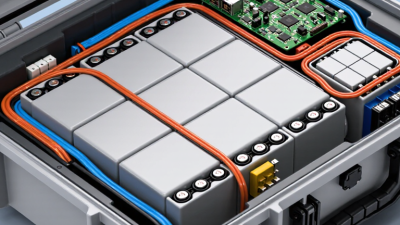
LiFePO4, or lithium iron phosphate, is a rechargeable battery chemistry known for thermal stability and long cycle life. Its iron-phosphate cathode is generally less prone to overheating than some other lithium-ion chemistries. That chemistry matters. In a battery pack, cells work with a battery management system that monitors voltage, temperature, and charging. A practical detail: terminals may look identical, yet the required charging profile can differ. Check the pack specifications rather than relying on appearance. LiFePO4 batteries are often heavier than comparable energy-dense alternatives, so they are not ideal for every design.
Their combination of durability and steady output suits home energy storage, solar installations, recreational vehicles, and some industrial backup systems. A cabin system might store daytime solar power for lights and a refrigerator after sunset. In commercial settings, dependable performance can help reduce downtime, though system design still matters. Cold weather deserves attention: charging below a battery’s permitted temperature can damage cells, so suitable controls or heating may be necessary. Buyers comparing manufacturers should examine tested cycle-life conditions, safety documentation, warranty terms, and local service access. Rated lifespan can sound impressive, but temperature, charging habits, and depth of discharge all affect real results. There is no single best fit.
How to Evaluate LiFePO4 Battery Manufacturers
Evaluating LiFePO4 battery manufacturers starts with evidence, not polished brochures. Ask for cell-level test data, production quality records, and clear explanations of how each battery is assembled. A credible supplier should state the conditions behind cycle-life claims, including temperature, charge rate, and depth of discharge. Numbers without test conditions are hard to compare.
Check how the manufacturer controls cell consistency and battery management system settings. Request details about voltage limits, overcurrent protection, and temperature monitoring. Then review safety and quality documents, confirming that their scope matches the product and intended market. A document alone is not proof of consistent production. No checklist is perfect.
Samples can reveal practical issues. Measure dimensions, inspect terminals and wiring, and test whether the monitoring interface reports useful data. Ask how production batches are traced and how warranty claims are handled. Clear answers matter. Be cautious when promised performance seems unusually high or the supplier avoids sharing test methods. A factory visit or independent inspection may add confidence, though it cannot remove every risk. The evaluation is not always tidy; some suppliers provide excellent technical detail but weak after-sales procedures. Record both strengths and gaps before comparing quotations.
10 Leading LiFePO4 Battery Manufacturers for Global Buyers
For global buyers, choosing among ten leading LiFePO4 battery manufacturers means looking beyond quoted prices. The International Energy Agency’s Global EV Outlook 2024 reports that LFP batteries approached 40% of the global electric-car battery market in 2023, up from below 10% in 2020. This growth signals wider adoption, but it does not prove that every supplier offers consistent cells or dependable support.
BloombergNEF reported an average lithium-ion battery pack price of $139 per kilowatt-hour in 2023, a 14% decline from 2022. That is useful market context, not a reliable quote for a particular LFP system. Numbers need context. Compare manufacturers on cell traceability, tested cycle life, capacity tolerances, battery-management protections, and warranty terms. Ask how performance tests were conducted; temperature, discharge rate, and depth of discharge can change the result.
A careful shortlist should also check production consistency and after-sales response times. Request test records for the exact cell and configuration being offered, not merely a general product sheet. I would not rank suppliers by price alone; that shortcut can backfire. A lower initial quote may leave important commissioning details or service expectations unclear. Verify each claim against technical documents and independent test evidence where available.
Comparing Product Range, Certifications, and Support
A strong LiFePO4 manufacturer should offer more than one battery size. Compare capacity, voltage, mounting style, and intended use. A home storage buyer may need wall-mounted units, while an installer serving remote sites may prefer rack batteries. Check whether the maker also supplies compatible battery management systems, cables, and monitoring tools. Details matter.
Certifications deserve careful checking. Ask for documents tied to the exact model, not just a certificate from a related product family. Confirm test scope, issuing body, and validity with the manufacturer or testing organization. Requirements can differ by destination market and application, so avoid assuming one document covers every shipment. A tidy brochure is not proof.
Support can separate a dependable supplier from a difficult one. Look for clear installation manuals, warranty terms, spare-part access, and a named technical contact. Ask how service requests are handled across time zones, and whether remote troubleshooting is available. Test the response before ordering: send a practical question about charging limits or BMS alarms. Then assess the answer’s clarity and speed. Some suppliers publish impressive service promises, yet provide little detail on actual repair procedures. That gap is worth noticing. The comparison may feel less glamorous than checking capacity, but it can matter when a battery stops communicating on a cold morning.
Choosing a Manufacturer for Your Market and Project Needs
Choosing a LiFePO4 manufacturer starts with the project, not a ranking. The IEA’s Global EV Outlook 2024 puts LFP at nearly 40% of the global electric-car battery market in 2023, up from under 10% in 2020. That growth makes supplier evaluation more important, not less. Ask how cycle life was tested, at what temperature, and to what discharge depth. A headline lifespan without test conditions tells you little.
Match the manufacturer’s engineering and support to your market. A remote solar site may need clear guidance on low-temperature charging, spare parts, and fault diagnosis. A commercial storage project may prioritize consistent cell batches, system integration, and documented safety testing. Check warranty terms against your actual daily use, then confirm who handles technical issues in your region. A spreadsheet can miss the human part: response time matters when equipment stops. I would not treat a polished brochure as proof.
Tip: Request test reports, traceability records, and a sample warranty before comparing quotes. Check that certifications apply to the exact battery model and target market. Small details matter.
LiFePO₄ Battery Capacity Planning Reference
Estimated nominal energy for common 12.8 V LiFePO₄ battery capacities
Values are calculated as nominal voltage × capacity: for example, 12.8 V × 100 Ah = 1,280 Wh (1.28 kWh). Actual usable energy varies with battery design, discharge limits, temperature, and operating conditions.