2026 Top LiFePO4 Battery Pack Suppliers for Global Buyers
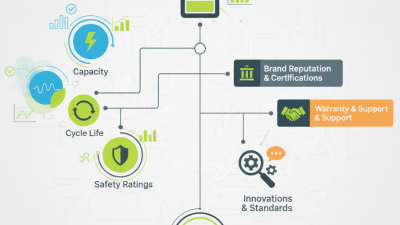
Choosing among the 2026 top LiFePO4 battery pack suppliers requires more than comparing prices. Global buyers need dependable cells, intelligent battery management systems, and traceable production records. A reliable supplier should explain capacity testing clearly. It should also provide cycle-life data, thermal protection details, warranty terms, and suitable transport documentation.
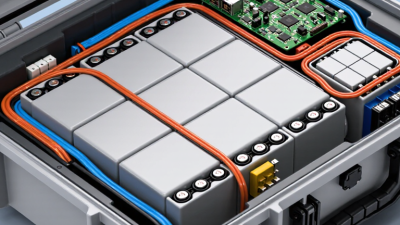
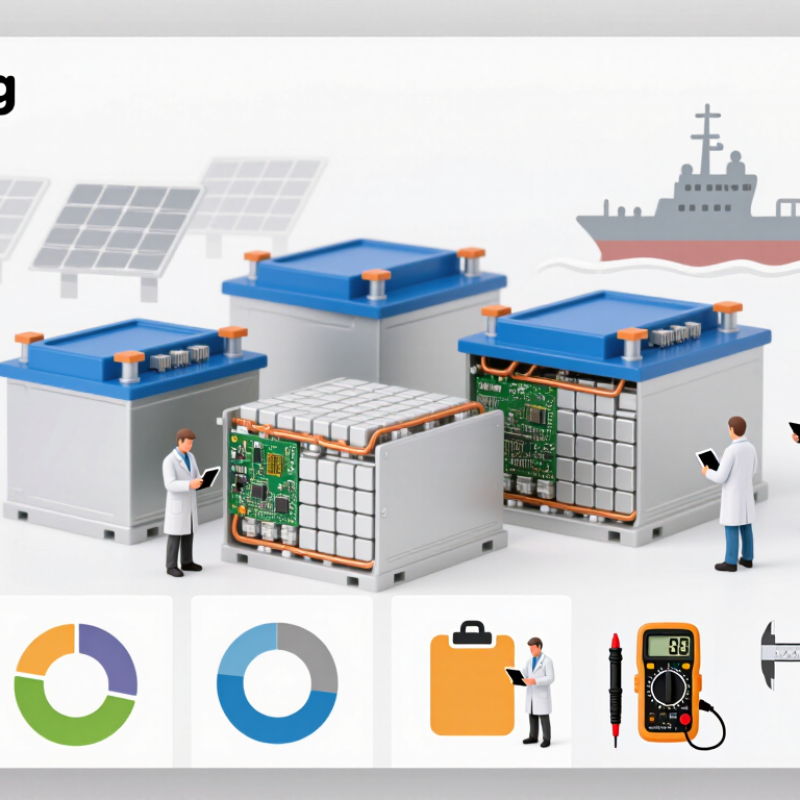
Dr. Shirley Meng, a respected battery scientist, has stressed the need for batteries that are “safer, cheaper, and more sustainable.” That principle remains practical for every lifepo4 battery pack purchase. A 12V pack may look simple on a product page. Inside, however, cell matching, busbar quality, insulation, and BMS calibration decide real performance. Buyers should ask for test reports, not attractive promises.
Small details matter.
A pack used in a solar cabinet faces different demands from one installed in a marine system. Temperature, charging habits, enclosure design, and daily depth of discharge all influence service life. The supplier’s engineering response matters as much as the quoted specification. Some rankings may overlook after-sales support, regional inventory, or replacement procedures. That is an imperfect approach, and it deserves scrutiny.
This guide compares leading manufacturers through practical criteria, including manufacturing experience, customization capability, quality controls, certifications, delivery consistency, and technical support. No supplier is ideal for every project. Careful buyers should verify current data directly, inspect samples when possible, and match the lifepo4 battery pack to its actual operating environment.
LiFePO4 Battery Packs: Technology, Chemistry, and Core Performance
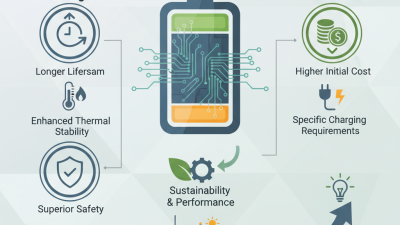
LiFePO4 battery packs use lithium iron phosphate as the cathode material. This olivine structure offers strong thermal stability and a lower risk of oxygen release during abuse. Chemistry matters. A typical cell provides about 3.2 volts nominally, with a flat discharge curve near its rated voltage. That stability supports predictable inverter and motor performance. However, LiFePO4 usually has lower energy density than nickel-rich chemistries. Pack designers may need more space and weight for the same stored energy.
The IEA’s Global EV Outlook 2024 reported that LFP batteries represented about 40% of global electric-car battery demand in 2023. BloombergNEF’s 2024 Battery Price Survey placed average lithium-ion pack prices at 115 dollars per kWh, a 20% yearly decline. These figures show improving scale, but price alone proves little.
A reliable pack also requires cell matching, thermal sensors, a balanced BMS, and controlled compression. Many well-built packs can reach 2,000 to 5,000 cycles, depending on temperature, depth of discharge, and charging limits. Cold charging remains a practical weakness. Real-world results can disappoint.
Buyers should request cycle-test conditions, capacity-retention curves, UN 38.3 evidence, and IEC 62619 compliance where applicable. A perfect graph deserves questions. Performance depends on the complete pack, not chemistry alone.
How to Evaluate Global LiFePO4 Battery Pack Suppliers in 2026
Evaluating global LiFePO4 battery pack suppliers in 2026 requires more than comparing prices. In field projects, I have seen low quotes hide weak documentation, inconsistent cells, and slow technical support. Ask for evidence. A reliable supplier should provide cell traceability, capacity test records, protection parameters, and clear warranty terms. Confirm whether production data matches the exact pack model you plan to purchase.
Technical compliance matters across borders.
Review relevant safety testing, transport documentation, and quality systems, including applicable IEC standards and UN 38.3 test evidence. Verify certificates through issuing organizations when possible. Examine the battery management system closely. It should control overcharge, over-discharge, temperature, and balancing functions. Request sample data from cold starts, high-load operation, and repeated cycling. Marketing graphs are not enough.
Supplier evaluation also depends on communication after delivery.
Ask who handles firmware changes, replacement units, remote diagnosis, and warranty claims. Check response times during a technical trial, not only during sales discussions. Factory audits or live video inspections can reveal storage conditions, assembly discipline, and labeling accuracy. I would not select a supplier from a polished website alone. A spreadsheet can look perfect and still hide poor field support. No supplier is flawless. The better choice is one that admits limitations, explains corrective actions, and keeps technical records available for independent review.
Key Supplier Capabilities: Quality, Certifications, and Production Scale
For 2026 procurement, LiFePO4 battery pack suppliers must prove more than low prices. The IEA’s Global EV Outlook 2024 reported global battery demand above 750 GWh in 2023. This scale increases pressure on cell consistency, thermal control, and delivery reliability.
Quality begins with traceability. Serious suppliers should record cell batches, resistance values, balancing results, and end-of-line tests. Ask for capacity-retention data, not only nominal capacity. A certificate is evidence, not proof of every shipment. ISO 9001 supports process control, while ISO 14001 reflects environmental management. IEC 62619 and UL 1973 help evaluate industrial battery safety. UN 38.3 remains essential for transport testing. Requirements vary by market.
Production scale needs independent verification. Review monthly output, automated welding coverage, aging-room capacity, and failure rates. BloombergNEF’s 2024 Battery Price Survey placed average lithium-ion pack prices at $115 per kWh, making efficiency important. However, cheaper production can hide weaker inspection. Suppliers serving vehicles may also hold IATF 16949 certification, which indicates stronger automotive quality systems. Still, audits can miss seasonal problems. A practical buyer should inspect recent records, sample finished packs, and confirm spare-cell availability before signing volume contracts.
Comparing Battery Pack Designs, Applications, Pricing, and Lead Times
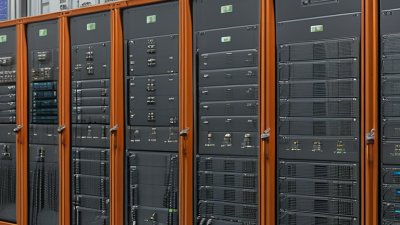
In 2026, global buyers should compare LiFePO4 pack architecture before comparing quotations. Prismatic cells simplify service and usually reduce enclosure complexity. Cylindrical cells can improve thermal distribution, but they require more interconnections. For stationary storage, modular racks with replaceable BMS units support easier maintenance. For forklifts and marine equipment, sealed housings, vibration control, and accurate state-of-charge readings matter more than cosmetic design.
Application changes the price.
The IEA’s Global EV Outlook 2024 reported that LFP chemistry represented about 40% of global electric-car battery demand in 2023. BloombergNEF reported an average lithium-ion pack price of 115 US dollars per kWh in 2024, while LFP packs were about 20% cheaper than nickel-based alternatives. These figures are useful benchmarks, not guaranteed quotations. A small 48V industrial pack may cost more per kWh than a large containerized system. Currency, certifications, cell grade, cooling, and warranty reserves can quickly alter the offer.
Lead time deserves equal attention.
In practical RFQs, standard modules may ship within 6–12 weeks after drawing approval, while customized housings and software can extend delivery beyond 16 weeks. That estimate is imperfect. Port congestion and cell allocation still disrupt schedules. Buyers should request sample test reports, UN 38.3 records, cycle-life conditions, and a component-level production schedule. A low price means little if the BMS firmware remains unverified or replacement modules are unavailable.
Global Purchasing Guide: Logistics, Warranty, Compliance, and After-Sales Support
Global buyers now need more than a low battery price. The International Energy Agency reported that electric-vehicle battery demand exceeded 750 GWh in 2023, rising about 40%. Demand is accelerating. Supplier selection should include cell traceability, production records, and documented testing. Ask for batch-level capacity data, not only a catalogue specification. A 280 Ah cell may perform differently after storage, temperature changes, or repeated cycling.
Logistics can quietly damage project schedules. Confirm UN 38.3 test evidence before shipment, then verify packaging, labels, and transport documents. Air and sea rules differ, so the supplier should provide route-specific instructions. The 2023 BloombergNEF Battery Price Survey placed average lithium-ion pack prices at 139 US dollars per kWh. That figure is useful, but it does not include freight, insurance, customs handling, or local certification. Request a landed-cost quotation with delivery terms and replacement procedures. Small omissions become expensive delays.
Compliance should cover IEC 62619, regional electrical requirements, electromagnetic compatibility, and applicable battery regulations. Requirements vary by installation country. Warranty language deserves equal attention. Require stated cycle limits, usable energy, temperature conditions, response times, and an agreed capacity-retention test. A five-year warranty can be weak without measurable remedies. After-sales support should include remote diagnostics, spare-module availability, and trained local technicians. No checklist is flawless. I would still record every assumption, because unclear responsibilities often cause more disputes than defective cells.