2026 Top Battery Power Innovations Transforming Energy Solutions?
As the world shifts towards sustainable energy solutions, battery power stands at the forefront of innovation. According to a report by BloombergNEF, the global battery storage market is expected to grow from 13 gigawatt-hours in 2020 to 1,000 gigawatt-hours by 2040. This explosive growth underscores the essential role of battery technology in transforming energy systems. Innovations in battery power are critical for enhancing energy efficiency and enabling the transition to renewable sources.
Recent advancements include solid-state batteries, which promise higher energy densities and faster charging times compared to conventional lithium-ion batteries. According to a study from IDTechEx, solid-state technology could reduce the cost per kilowatt-hour significantly by 2026. These innovations reflect the industry's commitment to addressing the rising demand for energy storage while also improving safety and longevity.
However, the journey toward widespread adoption of advanced battery technologies is not without challenges. Issues like material sourcing and recycling remain critical concerns. A thorough examination of these challenges and opportunities will provide invaluable insights as we explore the future landscape of battery power innovations.

2026 Battery Technology: An Overview of Current Innovations and Trends
The landscape of battery technology is rapidly changing in 2026. New innovations are emerging, driven by the need for sustainable energy solutions. Researchers are exploring advanced materials that increase battery efficiency. This includes the development of solid-state batteries and enhanced lithium-ion technologies. Such advancements promise higher energy density and faster charging times.
There are still challenges to overcome. Safety and cost remain significant barriers to adoption. Not all innovations reach the market effectively. Reports of early-stage prototypes show promise, yet they often require further refinement. Additionally, environmental concerns around lithium extraction persist. Companies are seeking greener alternatives, but results vary. This ongoing evolution in battery technology reflects both hopes and hurdles in energy solutions. Progress is tangible, but perfection is a long way off.
Advancements in Lithium-Ion Batteries: Efficiency Improvements and Cost Reductions
Advancements in lithium-ion batteries are transforming energy solutions. Recent studies show efficiency improvements nearing 30% in next-generation models. Researchers emphasize that improved energy density allows for longer usage times and reduced charging cycles. This directly impacts electric vehicle performance and consumer electronics.
Cost reductions are equally significant. The average price per kilowatt-hour has dropped 89% over the last decade. This decline is crucial for widespread adoption of green technologies. Yet, material sourcing remains a challenge. The reliance on rare minerals can lead to market volatility.
Moreover, battery recycling is gaining attention. Current processes recover only about 5% of battery materials. This is a stark reminder of our industry’s sustainability challenges. Experts urge a balance between innovation and environmental impact. Efficient new technologies must address these concerns. The road ahead may be promising, but reflection on these hurdles is essential for sustainable growth.
2026 Innovations in Lithium-Ion Battery Efficiency
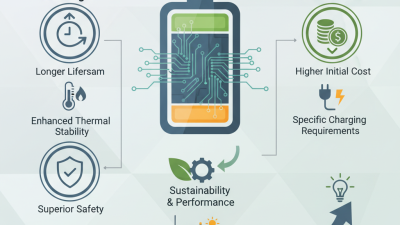
Solid-State Batteries: The Next Generation of Safe and High-Density Energy Storage
Solid-state batteries are emerging as a
game-changer in energy storage technology. Unlike traditional lithium-ion batteries, solid-state designs replace liquid
electrolytes with solid materials. This shift enhances safety, reducing risks of leakage or combustion. The prospect of
higher energy density also allows for smaller battery sizes with
greater power output.
Safety remains a vital concern in battery technology. While
solid-state batteries offer promising advancements, challenges exist. Manufacturing processes are complex and
costly. Researchers are working to overcome these hurdles. Regular monitoring and continuous innovation are essential
for widespread adoption.
Real-world applications are beginning to materialize. Electric vehicles could benefit from longer ranges, while
portable devices might see extended lifespans. However, the transition to solid-state batteries needs time and scrutiny.
We must ensure the reliability of these innovations before fully integrating them into our everyday lives.
Integration of AI and IoT in Battery Management Systems for Enhanced Performance
The integration of Artificial Intelligence (AI) and the Internet of Things (IoT) in battery management systems is reshaping energy solutions. These technologies enhance performance by providing real-time data analysis and increased operational efficiency. Smart sensors monitor battery health and performance metrics continuously. This proactive approach helps prevent failures and extend battery life.
One key feature is the predictive maintenance capability. AI algorithms analyze usage patterns to anticipate when batteries might fail. This reduces unexpected downtimes significantly. However, implementing these systems can be a challenge. It requires substantial investment in infrastructure and skilled personnel, which can be a barrier for many companies.
Moreover, data privacy remains a concern. Real-time monitoring generates vast amounts of data, raising questions about who has access to this information. Striking a balance between performance and privacy is crucial. Enhanced energy solutions driven by AI and IoT promise many benefits, but businesses must address these complexities to realize their full potential. The path forward requires careful consideration and collaborative efforts among stakeholders.
2026 Top Battery Power Innovations Transforming Energy Solutions
| Innovation Type |
Description |
Key Benefits |
Estimated Impact (%) |
| AI-Driven Battery Management |
Integration of AI algorithms to optimize charging and discharging cycles. |
Enhanced battery lifespan, reduced downtime. |
20% |
| IoT-Enabled Monitoring |
Real-time tracking of battery health and performance using IoT sensors. |
Proactive maintenance, improved reliability. |
15% |
| Solid-State Batteries |
Replacing liquid electrolytes with solid materials for better safety and energy density. |
Higher energy capacity, enhanced safety. |
25% |
| Recycling Innovations |
Advanced methods for recovering valuable materials from used batteries. |
Sustainability, reduced environmental impact. |
10% |
| Fast Charging Technologies |
Tech enabling rapid charging of batteries without performance loss. |
Reduced charging time, improved user convenience. |
30% |
Renewable Energy Storage: The Role of Batteries in Achieving Global Net-Zero Goals
As the world pivots towards renewable energy, the role of batteries becomes crucial in achieving global net-zero goals. A recent report by the International Energy Agency (IEA) highlighted that energy storage capacity must triple by 2030 to stabilize power grids. Batteries are the backbone of this transition, facilitating the incorporation of intermittent renewable sources like wind and solar. They absorb excess energy during peak production and release it during periods of high demand. This synergy is vital for maximizing energy efficiency and reducing overall emissions.
Tips: Consider monitoring your home energy usage. Simple changes can enhance battery efficiency and reduce costs.
However, challenges exist. Not all batteries have the same environmental impact. Lithium-ion batteries, while popular, require significant resources for production. The extraction process can affect local ecosystems. There is a rising call for innovative solutions in recycling and alternative battery technologies. Industry experts suggest that developing sustainable materials can alleviate some of these concerns and pave the way for an eco-friendlier future.
Tips: Explore local battery recycling programs. It’s a step towards a sustainable future.