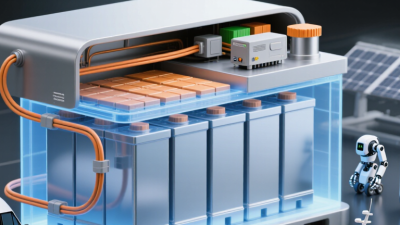
The storage batteries market is entering 2026 with strong momentum, but no single chemistry wins every application. Lithium-ion batteries still lead most utility-scale and behind-the-meter projects. Sodium-ion batteries are gaining attention where lower cost and reduced mineral dependence matter. Flow batteries remain attractive for long-duration storage, especially when safety and daily cycling outweigh compact size. Lead-acid technology still serves selected backup systems, although its limitations are increasingly visible.
The International Energy Agency’s Batteries and Secure Energy Transitions report states that global battery storage capacity must expand dramatically this decade. The IEA recorded about 85 GW of installed battery storage in the power sector in 2023. Its net-zero pathway requires roughly 1,200 GW by 2030. That gap is enormous. BloombergNEF’s Energy Storage System Cost Survey 2024 also shows continuing cost pressure across stationary storage technologies. However, prices vary by chemistry, location, project duration, and supply chain conditions. Forecasts are not promises.
Fatih Birol, Executive Director of the IEA, has described battery storage as “the fastest-growing clean energy technology in the power sector.” That observation explains the urgency behind this comparison. Yet speed can hide weak assumptions. A battery’s purchase price does not reveal its full lifetime value. Degradation, cooling needs, fire protection, recycling, and grid interconnection also matter. This guide examines the leading storage batteries for 2026 through practical performance, safety, durability, scalability, and total ownership cost. The ranking may change by project. That is the honest part.
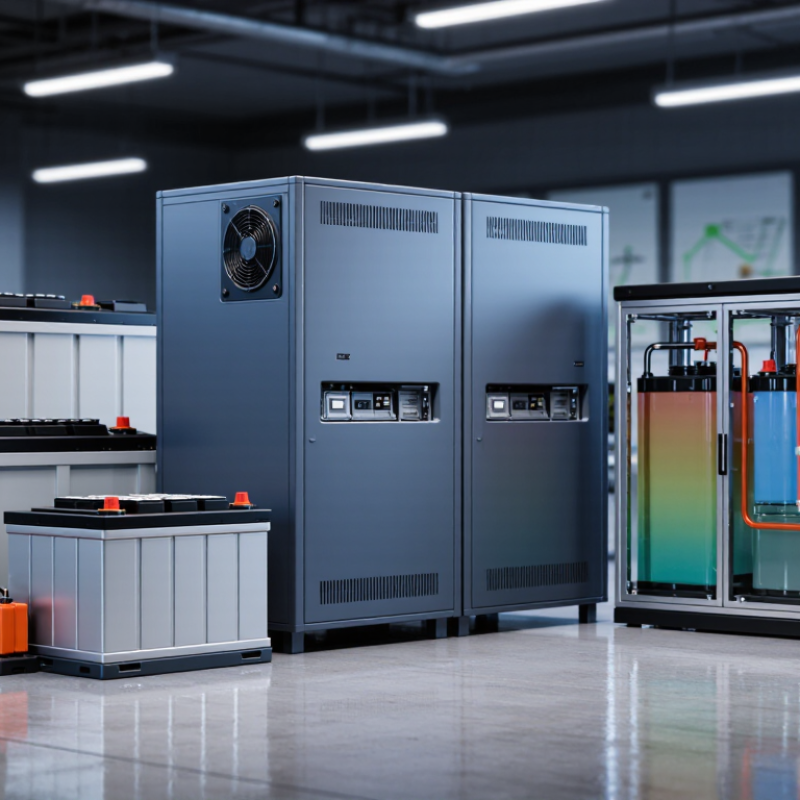
Battery storage begins with a simple distinction: power is not energy. Power measures how quickly a battery responds, while energy measures how long it can operate.
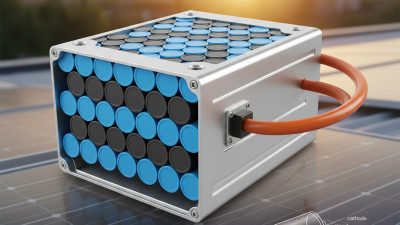
Lithium iron phosphate batteries remain strong candidates for stationary systems because they offer stable thermal behavior and long cycle life. Lithium nickel manganese cobalt batteries can provide high energy density, but temperature control and degradation deserve closer attention. Flow batteries also matter for large installations requiring long discharge periods, although their pumps and tanks increase system complexity.
Key performance measures reveal more than a chemistry label. Usable capacity shows the energy available after reserve limits and conversion losses. Depth of discharge indicates how much capacity can be used safely during each cycle. Round-trip efficiency compares energy stored with energy returned.
A battery rated at 90% efficiency will return less electricity than it receives.
Cycle life is useful, but calendar aging can quietly reduce capacity while the battery sits unused. A practical evaluation should check power rating, response time, operating temperature, warranty assumptions, and degradation curves.
Real projects rarely match laboratory conditions. A spreadsheet may look precise, yet daily heat, partial cycling, and poor installation can change the result. I would also question very optimistic capacity claims. The missing detail is often the usable capacity after several years.
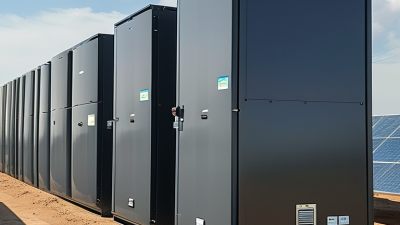
Lithium-ion batteries remain the leading choice for 2026 storage projects. The International Energy Agency reported that global battery storage additions reached about 42 gigawatts in 2023. That represented growth of roughly 130% in one year. These batteries respond quickly, fit compact sites, and support frequent daily cycling. Their modular design also simplifies capacity expansion. On a utility site, containerized units can shift solar power from midday to evening demand.
Cost remains a major advantage. BloombergNEF’s 2024 Battery Price Survey placed average lithium-ion pack prices at about 115 dollars per kilowatt-hour. Prices are not fixed. Raw material markets, project scale, and safety systems can change the final cost. Lithium iron phosphate cells are gaining attention for stationary storage because they offer strong cycle life and reduced thermal risk. They still require careful monitoring, ventilation, and emergency planning.
The case is strong, not flawless. Lithium-ion systems gradually lose usable capacity, especially in hot environments. Operators must inspect temperature readings, state-of-charge limits, and fire protection equipment. Recycling capacity is also developing unevenly across regions. Sodium-ion batteries may serve colder climates or lower-cost projects, while flow batteries suit longer discharge periods. Yet their supply chains and commercial deployment remain less mature. The IEA’s Batteries and Secure Energy Transitions report warns that rapid demand growth will pressure minerals, manufacturing, and recycling. Lithium-ion leads today, but the market should not mistake leadership for permanence.
Sodium-ion batteries are gaining attention for cost-sensitive storage projects. The International Energy Agency reported that global battery storage additions reached nearly 40 GW in 2023, more than doubling year over year. Sodium-ion cells use widely available materials and can perform reliably in colder conditions. Their main weakness is lower energy density. A container may need more floor space for the same output. That matters on expensive urban sites.
Flow batteries suit longer-duration applications, often lasting six to twelve hours. Their energy capacity depends on electrolyte tank size, while power depends on the cell stack. This separation simplifies scaling. The U.S. Department of Energy identifies flow technology as a promising option for long-duration storage. However, round-trip efficiency is commonly lower than lithium-based systems. Pumps, tanks, and site engineering also add complexity. Field experience shows that “long life” does not remove maintenance requirements.
Lead-acid batteries remain useful where upfront cost, recycling access, and technical familiarity matter. Industry reviews, including reports from the International Renewable Energy Agency, place typical lead-acid efficiency below newer lithium systems, often around 75% to 85%. They also dislike deep cycling and high temperatures. Ventilation and careful thermal management remain essential. The choice is rarely perfect. A low-cost battery can become expensive through replacement cycles, while a high-efficiency design may exceed the project budget. Storage planners should compare duty cycle, climate, available land, safety controls, and lifetime cost using site-specific data.
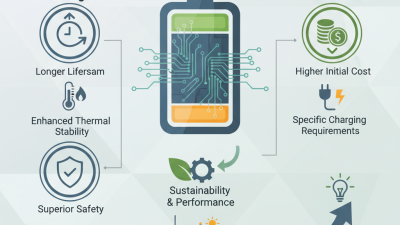
For 2026, lithium iron phosphate batteries remain strong for homes and commercial sites. Their stable chemistry reduces thermal runaway risk, although no lithium battery is risk-free. They commonly deliver thousands of cycles when temperature and charging limits are controlled. Installation quality matters as much as the cell chemistry. Poor ventilation, damaged wiring, or unsuitable software can undermine good safety ratings. Nickel-rich lithium batteries offer higher energy density, but they require stricter thermal management and may face greater material concerns.
Sodium-ion batteries are gaining attention because they use more abundant raw materials. Their lower energy density can mean heavier cabinets and larger installation areas. Costs may fall as production expands, but real-world lifespan data is still developing. That uncertainty deserves attention. Lead-acid systems have low purchase costs and established recycling channels. However, they usually need more maintenance and replacement sooner. Their lifetime cost can therefore become less attractive in frequent-cycling applications.
Flow batteries suit larger projects needing long discharge periods. They offer strong cycle durability and reduce fire concerns because energy is stored in liquid electrolytes. Yet pumps, tanks, and complex balance-of-system equipment increase space and capital requirements. Sustainability is not a simple label. Mining, manufacturing energy, transport, repairability, and end-of-life recovery all matter. I would avoid choosing a battery from price alone. A cheaper system may become expensive after several replacements. Performance also varies by climate, duty cycle, and operating discipline. That part is easy to underestimate.
What Are the Top Storage Battery Types for 2026?
Matching Battery Types to Different Storage Applications
The best battery depends on the job, not just its advertised capacity. Lithium iron phosphate batteries suit daily solar shifting, home backup, and commercial peak reduction. They offer strong cycle life, stable performance, and useful energy density. Still, installers must check ventilation, temperature, and emergency shutdown requirements.
Lead-acid batteries remain practical for occasional backup with a limited budget. They are heavier and usually tolerate fewer deep cycles. Sodium-ion batteries may fit cold regions and cost-sensitive projects, although their lower energy density can increase cabinet size. Flow batteries support long-duration storage, such as evening-to-morning renewable power. They need more space and careful system design. No single type wins everywhere.
Tips: Match storage duration to the application. Measure real household or facility loads before choosing capacity. Leave room for winter performance losses. Review warranty terms, usable capacity, and replacement access. A simple load test can reveal unexpected peaks. I have seen systems sized from average usage fail during short, high-power events. That mistake is easy to repeat. Ask for independent safety testing and installation records, not only sales estimates.