How to Choose the Right Lifepo4 Battery Pack for Your Needs?
Choosing the right LiFePO4 battery pack is crucial for various applications, from electric vehicles to renewable energy systems. According to a recent report by MarketsandMarkets, the global LiFePO4 battery market is projected to reach $8.4 billion by 2026, with a compound annual growth rate (CAGR) of 18.1%. This growth is driven by increasing demand for efficient and long-lasting energy storage solutions.
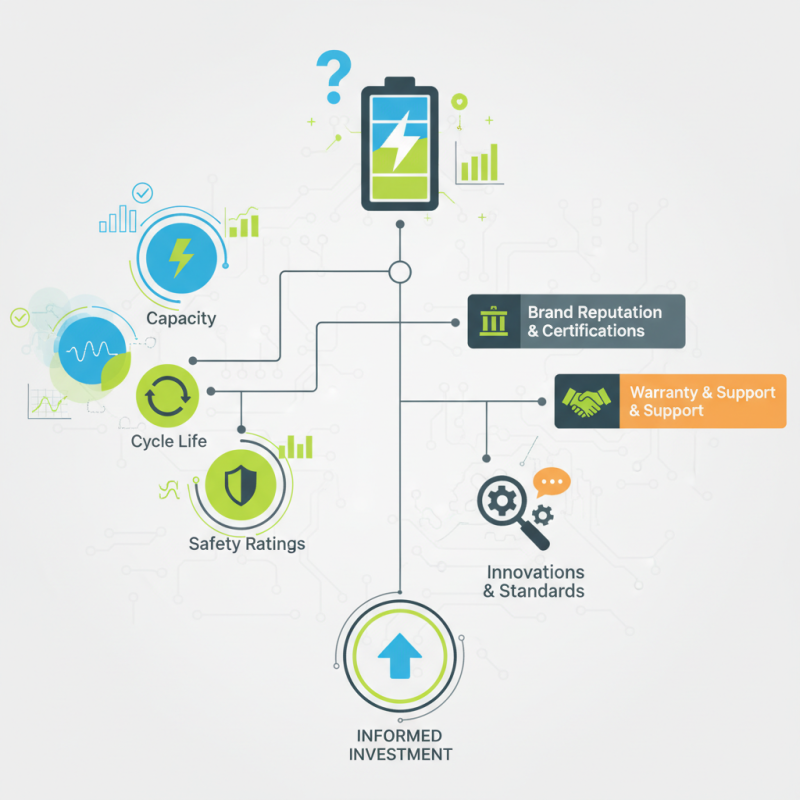
"Selecting the proper LiFePO4 battery pack depends on specific needs and usage patterns," explains Dr. Emily Chen, a renowned expert in battery technology. Her insights emphasize that not all LiFePO4 battery packs are created equal. Factors such as capacity, cycle life, and safety ratings can greatly influence the performance of these battery packs.
Understanding these variations is vital. Many consumers find themselves overwhelmed by options. Consideration of brand reputation and industry certifications can guide decisions. Additionally, expert opinions highlight the importance of warranty and customer service support. As the technology evolves, remaining informed about innovations and standards is key to making a sound investment in a LiFePO4 battery pack.
Understanding Lifepo4 Battery Technology and Its Benefits
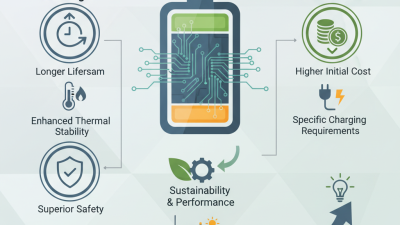
Lithium Iron Phosphate (LiFePO4) batteries are rapidly gaining popularity in various applications. Their chemistry offers distinct advantages over traditional lithium-ion batteries. A significant benefit is their thermal stability, which minimizes the risk of overheating. According to a 2023 report from the International Energy Agency, LiFePO4 batteries have a higher cycle life, lasting over 2,000 cycles compared to the average of 500 for other lithium batteries. This durability makes them ideal for applications requiring long-term use.
Another key advantage is their environmental impact. LiFePO4 batteries are more eco-friendly due to their non-toxic materials. A study published in the Journal of Power Sources highlighted that these batteries emit fewer harmful substances throughout their lifecycle. This aspect appeals to industries aiming for sustainability, even though initial costs may be higher. Ongoing trends show the importance of investing in clean energy solutions.
However, it’s essential to consider the limitations. LiFePO4 batteries tend to have lower energy density. This results in a bulkier design compared to other lithium options. Potential users should carefully evaluate their space constraints and energy needs. Making informed decisions will lead to optimal performance in the long run. Understanding these elements can guide buyers toward selecting the right battery pack for their requirements.
Key Factors to Consider When Selecting a Lifepo4 Battery Pack
Choosing the right LiFePO4 battery pack involves understanding several key factors. Capacity is essential. It determines how long the battery will last for your energy needs. Typical capacities range from 100 Ah to over 500 Ah. Assess your power requirements and match them accordingly.
Voltage compatibility is another crucial aspect. Most applications require a voltage of 12V, 24V, or 48V. Ensure the battery matches your system to avoid performance issues. Manufacturers recommend checking the charging and discharging rates too. A standard rate is often 0.5C to 1C, meaning a battery can safely discharge its full capacity within one to two hours.
**Tip:** Always explore options for depth of discharge (DoD). A higher DoD improves efficiency but can shorten the battery's lifespan.
Another consideration is thermal management. LiFePO4 batteries perform best in moderate temperatures. Operating outside the recommended range can lead to overheating and decreased performance. It's wise to keep your batteries in a well-ventilated space.
**Tip:** Regular monitoring can prevent unexpected failures. Consider investing in a Battery Management System (BMS) for real-time insight.
Lastly, review the warranty and support offered by manufacturers. A reliable warranty often indicates confidence in the product. Research shows that battery packs with extended warranties tend to be more durable. Make informed decisions based on thorough analysis and trusted sources.
Assessing Your Power Requirements for Optimal Lifepo4 Selection
When assessing your power requirements for selecting the right LiFePO4 battery pack, consider several crucial factors. First, identify your energy needs based on your applications. For example, if you're powering a solar system, calculate daily usage. A report from the International Renewable Energy Agency highlights that average residential consumption is around 30 kWh per day. This figure will guide your battery capacity selection.
Next, determine the discharge rate. LiFePO4 batteries excel in delivering high current, but not all applications require the same discharge rates. The recommended C-rate for most applications ranges from 0.2C to 1C, where 1C indicates a complete discharge in one hour. Analyzing the efficiency of discharge at varying rates can show potential inefficiencies. A study indicated that using a battery at lower discharge rates could help improve overall lifespan.
Don’t overlook the cycle life. A well-rated LiFePO4 battery can achieve up to 4000 cycles at 80% depth of discharge, according to industry sources. Yet, actual performance can vary. It's essential to factor in real-life conditions like temperature and usage patterns. Remember, the capacity you see on paper might not reflect daily performance in less-than-ideal conditions. Your needs and the operational environment should inform your choice of battery.
Optimal Lifepo4 Battery Pack Selection Based on Power Requirements
Comparing Lifepo4 Battery Brands and Models for Your Needs
When choosing a LiFePO4 battery pack, assessing different brands and models is crucial. Key factors include capacity, lifespan, and safety ratings. Industry reports indicate that capacity is often measured in amp-hours (Ah), affecting how long the battery can power devices. A pack with a higher Ah capacity will generally offer longer usage time. Many users overlook this aspect, leading to dissatisfaction and frequent recharges.
Safety is another vital consideration. LiFePO4 batteries are known for thermal stability, but quality varies. Some brands may not comply with safety standards, increasing the risk of failure. In a recent study, it was found that poorly manufactured batteries account for about 20% of reported issues. Consumers should prioritize brands that regularly undergo independent testing and quality assurance checks.
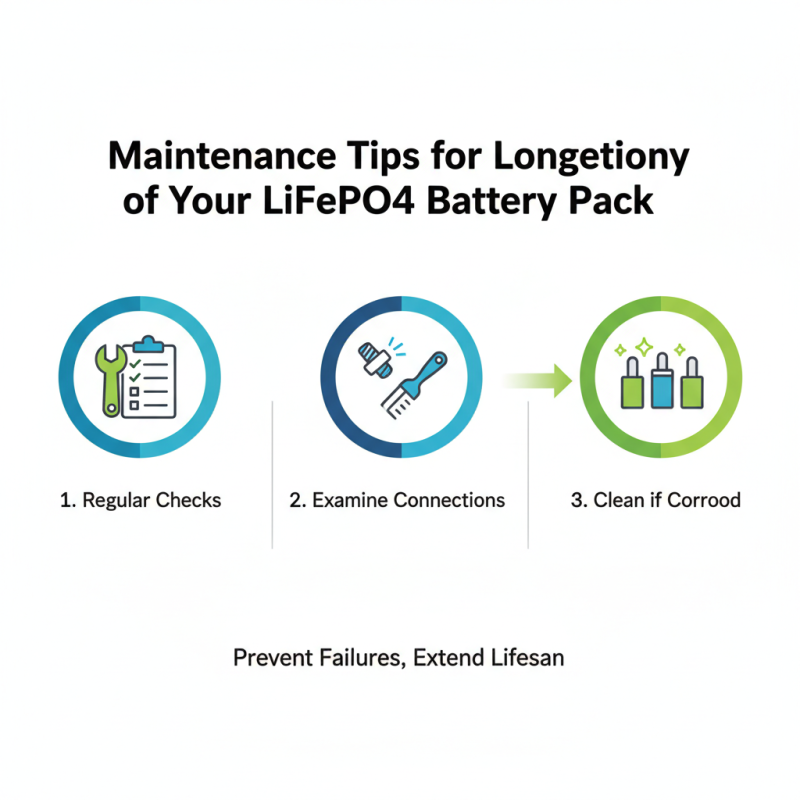
Battery lifespan also merits examination. A well-constructed LiFePO4 battery can last over 2000 charge cycles. However, inconsistent charge practices can lead to a reduced lifespan. Regular maintenance, such as monitoring charge levels and ensuring proper storage temperatures, can help extend the battery's life. Skipping these practices often results in quicker degradation, prompting conversations about long-term investment versus short-term savings.
How to Choose the Right Lifepo4 Battery Pack for Your Needs?
| Battery Model |
Capacity (Ah) |
Voltage (V) |
Cycle Life |
Weight (kg) |
Price (USD) |
| Model A |
100 |
12.8 |
2000 |
20 |
450 |
| Model B |
150 |
12.8 |
3000 |
25 |
600 |
| Model C |
200 |
25.6 |
5000 |
35 |
800 |
| Model D |
250 |
51.2 |
3500 |
50 |
950 |